

Free delivery over 299 sounds simple until you are standing at the cart with ₹297 of clothes in it. The rule on this shop has two halves: delivery costs nothing once the subtotal reaches ₹299, and ₹39 below that. Because so much of what is sold here is priced at ₹99, the gap between clearing the line and missing it is often one or two rupees, and the near misses are not obvious until you add them up.
This article lays out the arithmetic with real prices, so you can see which baskets clear ₹299 and which only look as though they do.
The rule, in one line
Subtotal of ₹299 or more: delivery is free. Subtotal below ₹299: a ₹39 doorstep delivery fee is added. Cash on Delivery carries no separate charge of its own, and the applicable delivery fee is shown at checkout before you confirm.
The subtotal is the price of the products. The ₹39 is not part of what is being tested, so a cart of ₹280 plus the fee does not count as having crossed ₹299.

The near misses that catch people out
Here is where the trouble sits. These are all real prices on the shop today.
- Three pieces at ₹99 each: ₹297. Two rupees short. You pay ₹39, so the order costs ₹336.
- Two pieces at ₹149: ₹298. One rupee short, and the order costs ₹337.
- A ₹249 piece and a ₹49 piece: ₹298. Again one rupee short.
- A ₹99 piece and a ₹199 piece: ₹298. Short by the same rupee.
Four different-looking baskets, all landing in the same two rupee trench. It is not a trick; it is just what happens when a price list is built on 99s and 49s and the line is drawn at 299.
Baskets that actually clear free delivery over 299
Each of these is added up from current prices.
Two kurtis and a watch: ₹317
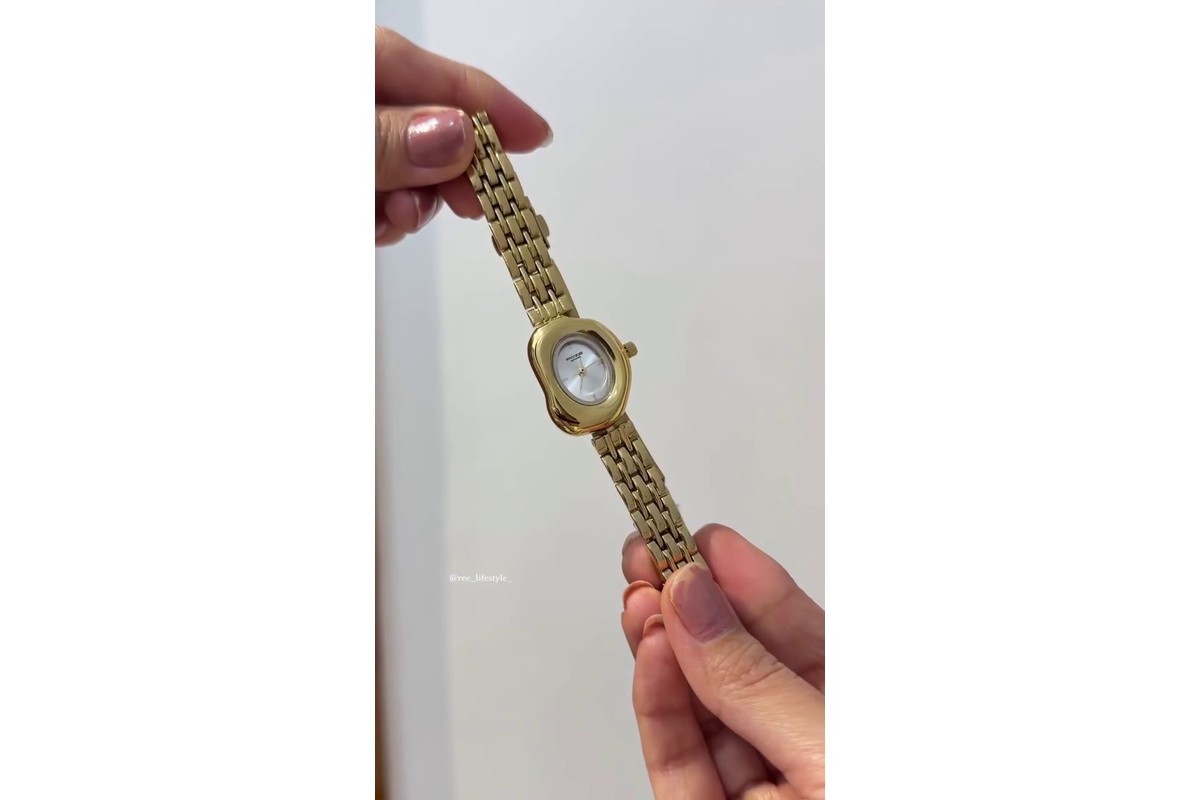
The Beige Cotton-Blend A-Line Kurti with Detailed Yoke is ₹99 and the Cotton Kurti with Lace Trim is ₹99. Add the Gold-Tone Oval Dial Watch and Bracelet Set for Women at ₹119 and the subtotal is ₹317. Delivery is free, so the order is ₹317.
Compare that with the two kurtis alone: ₹198 of clothes plus ₹39 is ₹237. Adding the ₹119 watch costs you ₹80 more in real money and puts a third item in the parcel. That is the calculation worth doing, rather than the one about whether ₹119 is cheap.
Four pieces at ₹99: ₹396
If you are buying for more than one person, four ₹99 pieces come to ₹396. Comfortably clear. Three of them cost ₹336 with the fee, so the fourth piece adds only ₹60 to what you pay. Split the same four into two orders of two and each costs ₹237, which is ₹474 in all and ₹78 more.
One larger piece on its own
Anything priced at ₹299 or above clears the line by itself, because the test is ₹299 or more rather than more than ₹299. A single ₹299 item means free delivery with nothing added.

When paying the ₹39 is the better deal
Adding things you do not want in order to avoid a fee is how a ₹39 charge turns into ₹120 of regret. The fee is worth paying when:
- You genuinely need one ₹99 item and nothing else. Paying ₹138 all in beats buying two more pieces to save ₹39.
- You are testing the shop for the first time and want to see one garment before committing to more.
- You are close to a size decision you are not sure about. A smaller order is a smaller return to organise if it goes wrong.
The rule of thumb: if the item that takes you over ₹299 is something you would have bought in the next month anyway, add it. If it is not, pay the ₹39.
What the fee does to the real price of a ₹99 piece
The sticker price is not what the piece costs you. The ₹39 is spread across whatever is in the parcel, so the same kurti has a different real price depending on what it travels with.
- One ₹99 piece on its own: ₹138 paid, so the piece effectively costs ₹138.
- Two at ₹99: ₹237 paid, which is about ₹119 each.
- Three at ₹99: ₹336 paid, which is ₹112 each.
- Four at ₹99: ₹396 paid with no fee, so ₹99 each, exactly as listed.
That last line is the only one where the price you saw is the price you paid. It is worth knowing before you decide that a single piece is too cheap to bother ordering.
Two addresses means two orders
If you are sending something to a parent in another city and keeping the rest, that is two separate orders going to two separate places, and each one is tested against ₹299 on its own. A ₹150 basket and a ₹200 basket do not combine into ₹350 of free delivery; they are a ₹39 fee each.
When the gift is small and the distance is long, it is usually cheaper to let the gift stand on its own and simply accept the fee, rather than inflating the gift to ₹299 with things the recipient did not ask for.
Where to see the number before you commit
The subtotal and the delivery fee both appear at checkout before the order is placed, and all orders are Cash on Delivery, so nothing is charged until the parcel is at your door. That means you can build the cart, look at the figure, and change your mind at no cost.
One habit saves most of the trouble: decide the whole festival’s shopping in one sitting rather than ordering three times across three weeks. Three separate ₹99 orders cost ₹414 in total once each has its ₹39 added. The same three pieces plus one more in a single order cost ₹396 with nothing added, and arrive together.
What this means for gift shopping
Gifts are where the threshold is easiest to use well, because a gift list has natural flexibility. If you are already buying two things for two people, the third gift is often what takes the order past ₹299 and removes the fee at the same time. Add it up first: three ₹99 gifts come to ₹297 and still pay the fee.
For ideas in that price band, Diwali gifts under ₹100 is the closest match to the ₹99 price that is so common on the shop, and the Diwali budget planner helps you plan the rest of the festival’s spending. The full Festive Fashion range is where many of the ₹99 pieces sit.
Frequently asked questions
₹299. A subtotal of ₹299 or more carries no delivery fee. Below ₹299, a ₹39 doorstep delivery fee is added at checkout.
No. Three items at ₹99 come to ₹297, which is two rupees under the line, so the ₹39 fee applies and the order totals ₹336.
Per order. One fee covers the whole parcel, which is why combining what you need into a single order is cheaper than splitting it.
Before. The ₹299 test is applied to the subtotal of the products themselves, not to the total after the fee is added.
There is no separate Cash on Delivery charge. The only delivery charge is the ₹39 that applies to subtotals under ₹299, and it is shown at checkout.