

The phrase turns up constantly, and the assorted colours meaning online shopping gives it is narrower than most people assume. On this shop, 76 of the 378 product names currently contain the word assorted, usually as assorted colours, assorted prints, assorted styles or assorted washes. It is worth understanding exactly what that wording does, because on the pages checked for this guide it is not offering you a choice.
This article explains how to read it, how to use the photo gallery properly, and which pieces are the safest to buy when the colour is not yours to pick.
Check the selector, not the title
This is the whole trick, and it takes two seconds. Open the product page and look at what you can actually choose before adding to the cart. On the three pages linked further down that choice is Size: S, M, L, XL, XXL. If Size is the only selector on the page, then you are choosing a size and nothing else, whatever words appear in the title.
A title that mentions several colours is describing the range the product comes in, not presenting a menu. If there is no colour selector, there is no colour decision to make at checkout.
Do the same check in reverse. Where a page does give you a colour option, you will see it as a second selector alongside Size, and then the choice is genuinely yours.

What the wording is telling you
This guide does not know the shop’s reasons for grouping colours, and you do not need them. What matters is the wording on the page in front of you. Check the product description for a line about colour. Where a page explains that the colour is sent as available from the shades in the photos, take it literally: any shade in that gallery may be the one that arrives.
The problem is only that the title is the loudest text on the page and the selector is the quietest. So train yourself to look at the quiet part.
How to use the photo gallery
The gallery is where the useful information is, and most people look at the first image and stop.
- Open every photograph, not just the main one. The additional images often show other colourways in the same range, which tells you what exists.
- Treat each photograph as evidence about that photograph only. A shot showing an embroidered yoke tells you that this version has one. It does not establish that every version in the range does.
- Look for the detail shots. Trim, buttons, embroidery and print scale are visible there and invisible in the full length image.
- Read the product description alongside the gallery. Where the seller has given detail about what is included, that is the place it will be.
What a photograph cannot tell you is what will be packed. Styling in an image is there to show the piece in use, and accessories, footwear and layers in a photograph are not part of the order unless the description says they are.
Screen colour drift
Even when there is only one colour, the one you see is not exactly the one that arrives. Phone screens are tuned to be vivid and photographs are lit to flatter, and deep, saturated colours are the hardest for a screen to show accurately.
The practical defence is to look at the garment in the shaded parts of the photograph rather than the lit parts, and to compare across two or three images in the gallery. A colour that looks consistent across several shots is probably close to accurate. A colour that changes a lot between images is being affected by lighting as much as by dye.

Assorted colours meaning online shopping: where it matters least
Some things you buy for the shape, and the colour is a bonus either way. Those are the comfortable places to order from an assorted range.
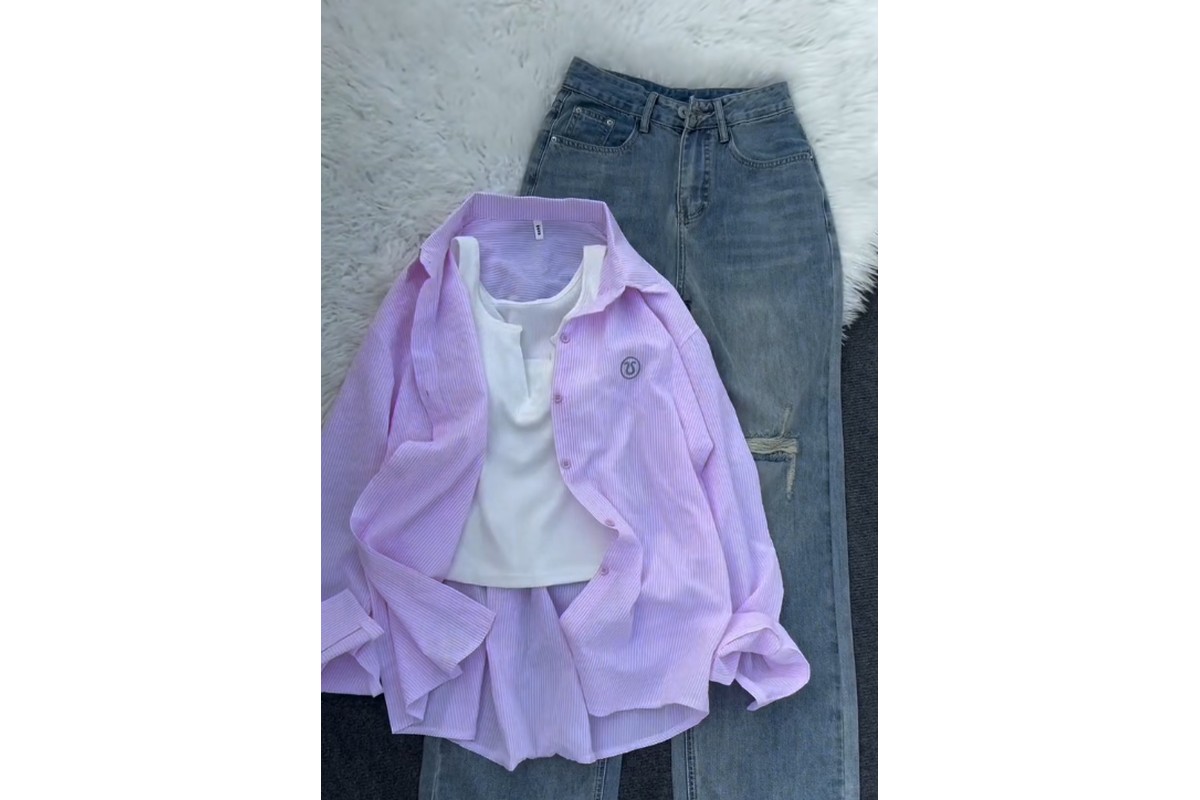
The Georgette Anarkali Dress with Dupatta at ₹99 shows why every photo is worth opening: its gallery differs in sleeve and neckline as well as colour, so ask yourself whether you would wear any version pictured. The Printed Anarkali Set with Pleated Yoke and Dupatta, also ₹99, varies in neckline and style across its photos too. A print at least carries several colours already, so the exact shade matters less. The Oversized Shirt with White Tank and Light Jeans at ₹99 is a casual outfit built around an oversized shirt. Its photos show plain, striped and checked shirts. Check the product description for what the set includes before you count on every piece.
The pieces to think harder about are the ones with a job. If you need to match a dupatta you already own, coordinate with someone else’s outfit, or hit a specific colour for a particular evening, an assorted listing is the wrong place to try.
Buying deliberately when you cannot choose
- Buy for cut first, and check that the cut is the same in every photo. A shape that suits you is wearable in any colour. Where the gallery differs in sleeve, neckline or style, the cut is not fixed either.
- Prefer prints to solids. A print already contains several colours, so the exact shade matters less.
- Build around neutrals you already own. Denim, black, white and beige absorb an unexpected colour easily.
- Avoid buying two assorted pieces meant to match each other. Two independent draws will not coordinate on purpose.
- If the colour genuinely decides it, pick a page that shows one colour in every photo, and confirm with the shop before you order, because a colour in the name alone does not settle what is sent.
If the colour that arrives does not work for you
The seven day change of mind return applies as it does to anything else: unused, in its original packing, and you pay the return postage, which is not refunded. On a ₹99 piece that postage can be a large share of the price, so it is worth deciding before you order rather than after.
That asymmetry is the real reason to buy assorted ranges for shape rather than shade. The upside of the gamble is small, and the cost of undoing it is not.
If you are deciding between two styles rather than two colours, anarkali or kurta set for a Diwali evening compares the shapes directly, and co-ord sets five ways shows how a single piece can be restyled when the shade is not what you planned. The wider Festive Fashion range is where most of these listings sit.
Frequently asked questions
Only if the product page gives you a colour selector. Where Size is the only selector, you are choosing a size and the colour is not part of the order.
The title describes what the photos show; the selector shows what you can choose. This guide does not know the shop’s reasons. Where there is no colour selector, read the colours in a title as examples.
Not necessarily. Where there is no colour selector and the description explains that the colour is sent as available, treat the main image as one example from the gallery, not as the item reserved for you.
Yes, under the seven day change of mind return, unused and in its original packing. You pay the return postage and it is not refunded.
Prints rather than solids, shapes you already know suit you, and pieces you will wear with neutrals such as denim, black or white.