Posted on Leave a comment

Govardhan Puja and Annakut Explained: The Day After Diwali

Govardhan Puja and Annakut Explained: The Day After Diwali

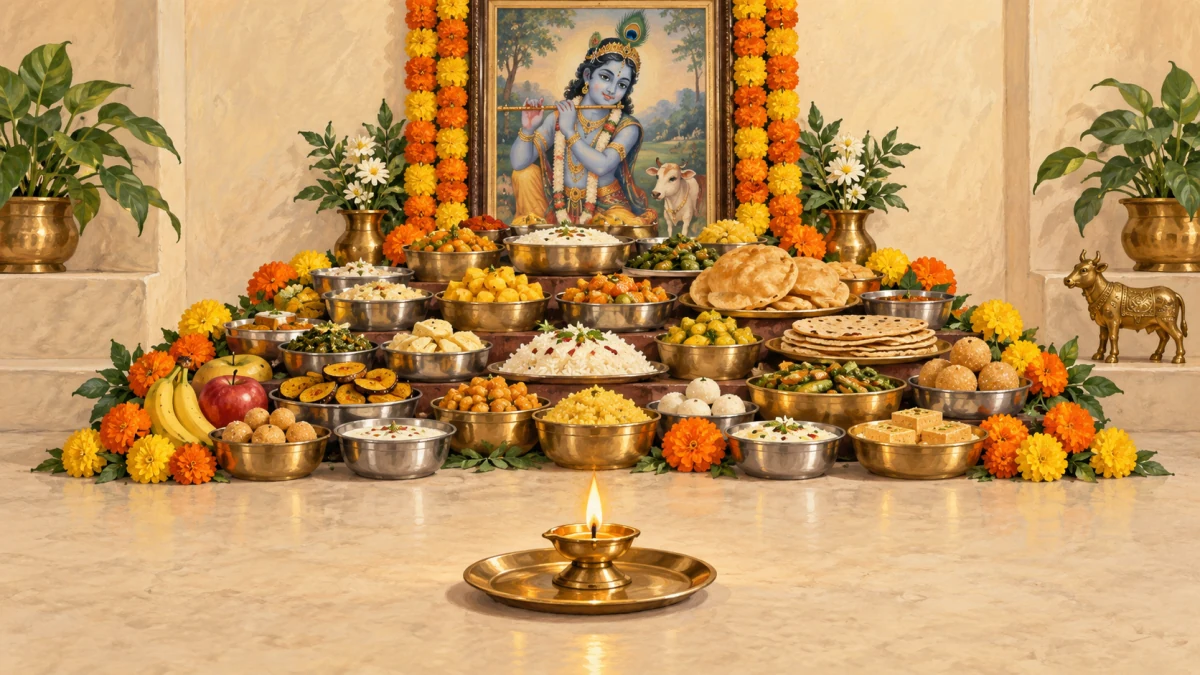
The day after Lakshmi puja is the least understood of the five days of Diwali, because it is three or four different festivals depending on where you are. In Mathura and much of the north it is Govardhan Puja, with a mountain of food. In Gujarat it is New Year’s Day. In Maharashtra it is Padwa, a day for husbands and wives. In the south and in parts of the west it is Bali Pratipada, when a demon king returns to visit his people.

Continue reading Govardhan Puja and Annakut Explained: The Day After Diwali
Posted on Leave a comment

Dhanteras Guide: What to Buy, What It Means and How to Celebrate

Dhanteras Guide: What to Buy, What It Means and How to Celebrate

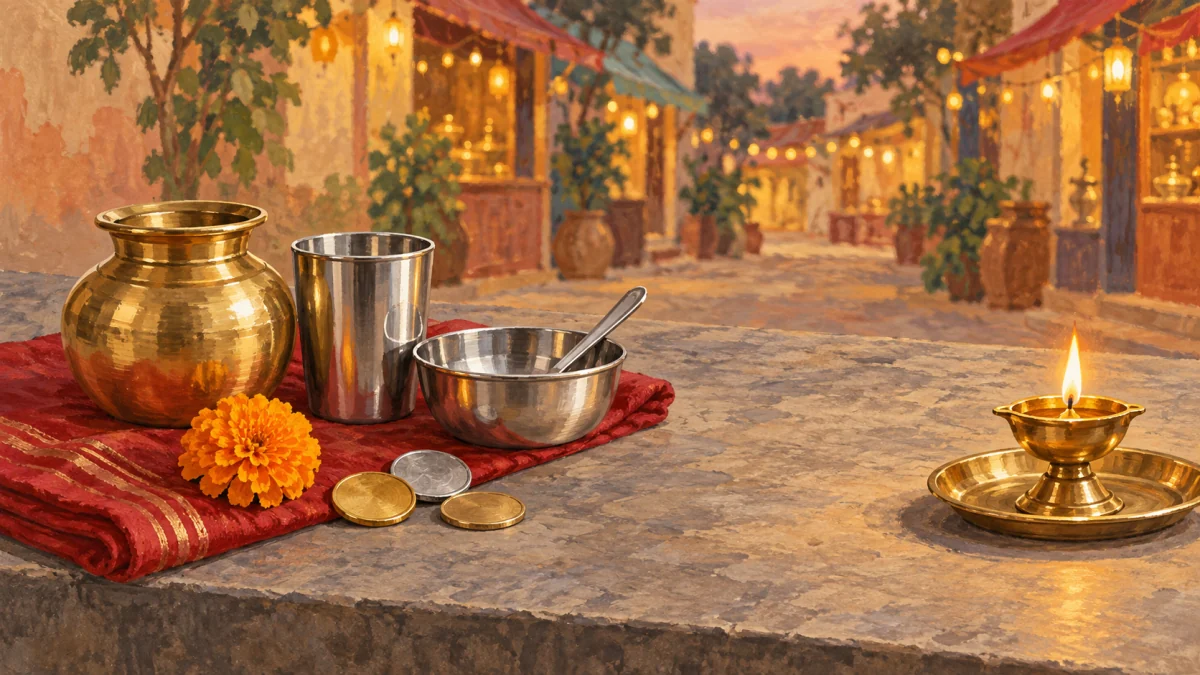
Dhanteras is the first of the five days of Diwali and the one most associated with buying. Markets stay open late, jewellers advertise for weeks beforehand, and even families who buy nothing else that month will bring home a steel spoon or a new broom. Walk through Chandni Chowk, Laad Bazaar or T. Nagar that evening and you will see why. Behind the shopping is a set of stories and a small evening ritual that most people know only in part.

Continue reading Dhanteras Guide: What to Buy, What It Means and How to Celebrate

Posted on Leave a comment

Bhai Dooj: Traditions, Rituals and Gift Ideas for the Last Day of Diwali

Bhai Dooj: Traditions, Rituals and Gift Ideas for the Last Day of Diwali

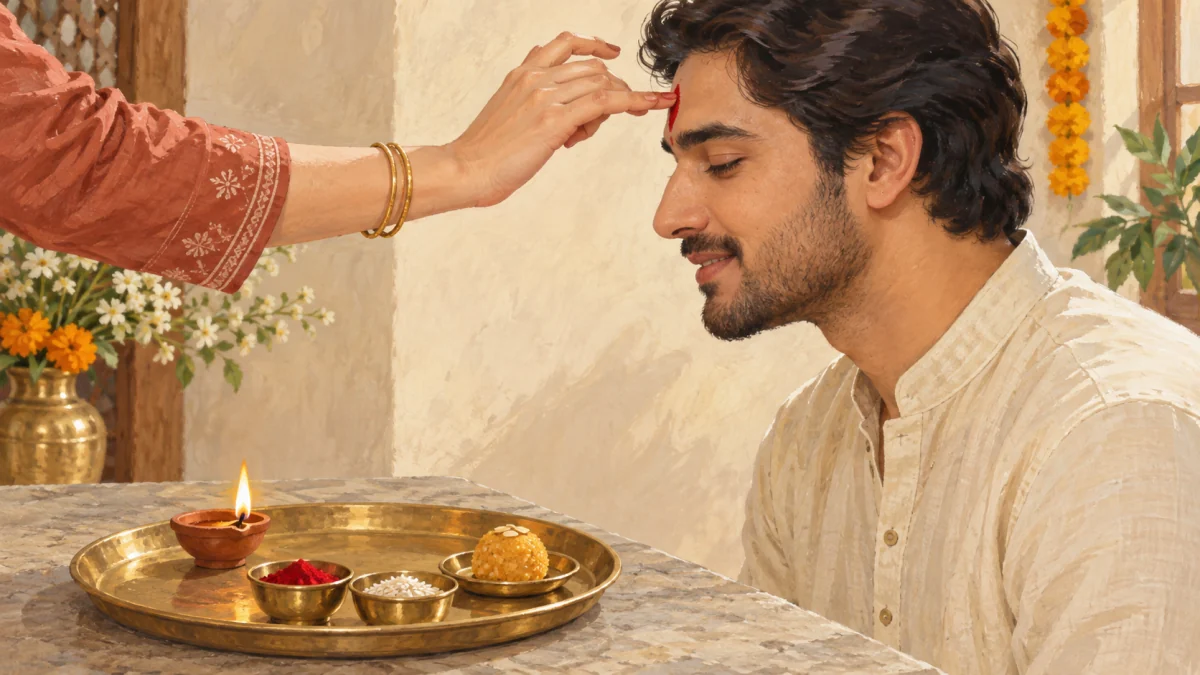
Two days after Lakshmi puja, when the lamps are still up and the sweets are half finished, Diwali ends with the quietest of its five days. Bhai Dooj is a ceremony between sisters and brothers: a tilak, an aarti, a meal, a gift. It has none of the noise of Diwali night and all of its warmth. For many people it is the day they remember best from childhood: a sister’s thumb pressing kumkum onto a forehead, and an envelope passed across a plate of food.

Continue reading Bhai Dooj: Traditions, Rituals and Gift Ideas for the Last Day of Diwali

Posted on Leave a comment

Rangoli Designs Explained: History, Regional Styles and What the Patterns Mean

Rangoli Designs Explained: History, Regional Styles and What the Patterns Mean

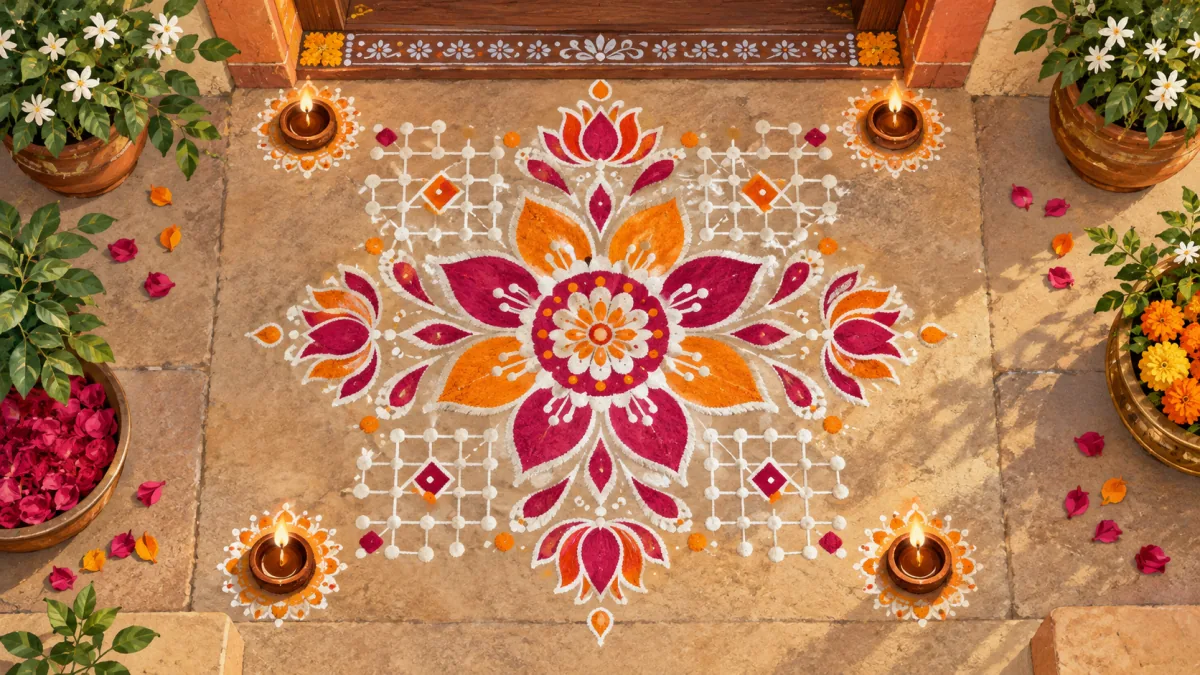
Every morning across much of India, someone bends at a doorway and draws a pattern on the ground in rice flour or coloured powder. By evening the milkman, the school bus rush and the neighbour’s scooter have scuffed it; the next morning it is drawn again. At Diwali the pattern gets bigger and brighter and is lit with diyas, but the habit behind it is old, and it is daily.

Continue reading Rangoli Designs Explained: History, Regional Styles and What the Patterns Mean