Posted on — Leave a comment

Caring for Festive Clothes After Diwali

Black flared outfit with gold-tone trim and a bordered drape

Knowing how to wash festive clothes properly is what decides whether the outfit you wore on Diwali night is still wearable at the next wedding, or whether it comes out of the cupboard in March with a yellow mark on the shoulder and a crease that will not drop. Festive wear takes a particular kind of punishment: lamp oil, wax, sweet syrup, perfume, and then eleven months of being folded in the dark.

This is the order to do things in, and the few decisions that actually matter. One rule sits above all of it: the care line in the product description, or the label on the garment, wins over anything here. If it says dry clean only, take the mark to a cleaner and skip the home methods.

Deal with the marks before anything else

Do this the night you take the outfit off, or the next morning at the latest. A fresh mark lifts; a mark that has sat for a week has bonded with the fibre.

Lamp oil and ghee

Blot, do not rub. Press a clean dry cloth onto the mark to take up whatever is still liquid. Then cover the spot with talcum powder or cornflour and leave it for a few hours to draw the oil out. Brush the powder away and treat what remains with a drop of mild dish soap worked in gently with a fingertip, then rinse with cold water from the back of the fabric.

Candle wax

Let it harden completely. Lift off what you can with a blunt edge, then put a plain paper towel over and under the mark and press with a warm, dry iron so the paper absorbs the wax. Change the paper and repeat until nothing more transfers. Never start with heat on a soft wax mark, because that drives it into the weave.

Sweets and syrup

Sugar dissolves in cold water, so rinse from the back of the fabric before doing anything clever. Warm water sets any milk or ghee that came with it, which is why cold is the rule.

Folded red garment with multicoloured floral decoration

When there is no care instruction

Where a garment carries no washing guidance, work from the fabric rather than from hope. Check the product description for what the piece is made of, and if that is not conclusive, treat it as the more delicate of your guesses. Nothing is lost by hand washing something that would have survived a machine; the reverse is not true.

Test any treatment on a hidden part first, an inside seam allowance or the underside of a hem. It takes thirty seconds.

How to wash festive clothes without damaging them

Four rules cover almost everything.

  • Cold water, unless the care line says otherwise. Cold is gentler on colour, and it is the cautious choice for cloth that may shrink.
  • Wash separately the first time. Deep reds, maroons and indigos commonly release some dye in the first wash, and a single wash with something white is all it takes to ruin both.
  • Turn embroidery and sequins inside out. The work then rubs against the garment’s own lining rather than against a drum or another garment.
  • Mild detergent, no bleach, no strong stain remover on anything coloured or embellished.

For a cotton piece such as the Cotton Kurti with Lace Trim at ₹99, check the product description for the care line, wash the piece on its own the first few times in case the base colour runs onto the lace, and handle the trim gently rather than wringing it.

Heavier work needs more care. The Black Georgette Anarkali Set with Golden Embroidery and Dupatta at ₹99 pairs a light fabric with golden embroidery, a combination that suffers from agitation. Check the product description for its care line before anything touches water. Where that line points to dry cleaning, that is the answer. Either way, keep the dupatta apart from the set so the two do not catch on each other.

Drying is where most damage happens

Never wring. Press the water out between your palms, or roll the garment in a dry towel and press. Twisting breaks fibres and sets a permanent distortion in anything with drape.

Dry flat or on a padded hanger, in shade, with air moving. Direct sun fades colour quickly, and it is unkind to metallic thread. A wire hanger leaves a shoulder mark on a wet garment that outlasts the season, so use a wide hanger or lay the piece flat.

Turn dark pieces inside out to dry. The side facing the light is the side that fades.

Back view of a black outfit with tie cords and gold-tone decoration

Pressing without flattening the work

Use a low iron and work from the reverse. For embroidery, sequins and mirror work, put a thin cotton cloth between the iron and the garment, and press rather than slide. Sliding catches threads and lifts them.

Stiff sheer fabrics hold a sharp crease and resist releasing it, so an organza piece such as the Organza Silk Saree with Hand Embroidery at ₹99 is better rolled than folded from the start, and its care line is worth reading before you bring an iron near it. Prevention is far easier than correction with this fabric family.

Storing for eleven months

Damp, light and metal are what ruin stored clothing, in that order.

  • Store only when completely dry. A garment put away slightly damp develops a smell and sometimes a mark that will not come out.
  • Use cotton bags or old pillowcases rather than plastic. Plastic traps moisture against the fabric.
  • Refold once in the middle of the year. A fold left in the same place for a year becomes a permanent line, particularly on silk and organza.
  • Keep metal away. Pins, hooks and wire hangers mark and sometimes rust onto fabric over months.
  • Add a neem leaf, a cotton pouch of cloves or a commercial sachet rather than loose naphthalene against the cloth.

What to do before the next occasion

Take the outfit out two days ahead, not two hours. Hang it in air so the fold lines relax, check that the fastenings are all present, and look at the hem and the underarm seams, which are where a season of wear shows first. Two days of notice turns a small repair into a non event; two hours turns it into a crisis.

For the rest of the house after the festival, the Diwali cleaning and preparation timeline covers the same kind of sequencing, and the Diwali safety guide is worth reading before the lamps come out, since most oil marks start as near misses. The Women’s Ethnic Wear range is where to replace anything that did not survive.

Hand holding a translucent decorated edge above folded fabric

Frequently asked questions

How do I remove diya oil from a kurti?

Blot the fresh mark, cover it with talcum powder or cornflour for a few hours to draw the oil out, then work in a drop of mild dish soap and rinse with cold water from the back of the fabric.

Can embroidered clothes go in a washing machine?

Hand washing is safer. Embroidery, sequins and metallic thread suffer from agitation, and a machine cycle is sustained agitation. If you must use one, turn the piece inside out and use the gentlest setting.

Should festive clothes be dry cleaned?

Go by the care line in the product description or on the label, and where it says dry clean, do that. Where there is none, plain cotton pieces are usually the ones that take a cold hand wash, and heavy embroidery and stiff sheer fabrics are the ones to hand to a cleaner.

How should I fold a saree for storage?

Loosely, in a cotton bag rather than plastic, and refold it along different lines once during the year so no crease becomes permanent. Stiff sheer fabrics are better rolled than folded.

Will colours bleed in the first wash?

Deep reds, maroons and indigos often release some dye the first time. Wash the piece on its own in cold water for the first few washes.

Posted on — Leave a comment

What “Assorted Colours” Means on a Listing

Green halter-neck dress shown with a drape

The phrase turns up constantly, and the assorted colours meaning online shopping gives it is narrower than most people assume. On this shop, 76 of the 378 product names currently contain the word assorted, usually as assorted colours, assorted prints, assorted styles or assorted washes. It is worth understanding exactly what that wording does, because on the pages checked for this guide it is not offering you a choice.

This article explains how to read it, how to use the photo gallery properly, and which pieces are the safest to buy when the colour is not yours to pick.

Check the selector, not the title

This is the whole trick, and it takes two seconds. Open the product page and look at what you can actually choose before adding to the cart. On the three pages linked further down that choice is Size: S, M, L, XL, XXL. If Size is the only selector on the page, then you are choosing a size and nothing else, whatever words appear in the title.

A title that mentions several colours is describing the range the product comes in, not presenting a menu. If there is no colour selector, there is no colour decision to make at checkout.

Do the same check in reverse. Where a page does give you a colour option, you will see it as a second selector alongside Size, and then the choice is genuinely yours.

Cream floral flared outfit shown with a matching drape

What the wording is telling you

This guide does not know the shop’s reasons for grouping colours, and you do not need them. What matters is the wording on the page in front of you. Check the product description for a line about colour. Where a page explains that the colour is sent as available from the shades in the photos, take it literally: any shade in that gallery may be the one that arrives.

The problem is only that the title is the loudest text on the page and the selector is the quietest. So train yourself to look at the quiet part.

How to use the photo gallery

The gallery is where the useful information is, and most people look at the first image and stop.

  • Open every photograph, not just the main one. The additional images often show other colourways in the same range, which tells you what exists.
  • Treat each photograph as evidence about that photograph only. A shot showing an embroidered yoke tells you that this version has one. It does not establish that every version in the range does.
  • Look for the detail shots. Trim, buttons, embroidery and print scale are visible there and invisible in the full length image.
  • Read the product description alongside the gallery. Where the seller has given detail about what is included, that is the place it will be.

What a photograph cannot tell you is what will be packed. Styling in an image is there to show the piece in use, and accessories, footwear and layers in a photograph are not part of the order unless the description says they are.

Screen colour drift

Even when there is only one colour, the one you see is not exactly the one that arrives. Phone screens are tuned to be vivid and photographs are lit to flatter, and deep, saturated colours are the hardest for a screen to show accurately.

The practical defence is to look at the garment in the shaded parts of the photograph rather than the lit parts, and to compare across two or three images in the gallery. A colour that looks consistent across several shots is probably close to accurate. A colour that changes a lot between images is being affected by lighting as much as by dye.

Red paisley-print flared kurta shown with trousers

Assorted colours meaning online shopping: where it matters least

Some things you buy for the shape, and the colour is a bonus either way. Those are the comfortable places to order from an assorted range.

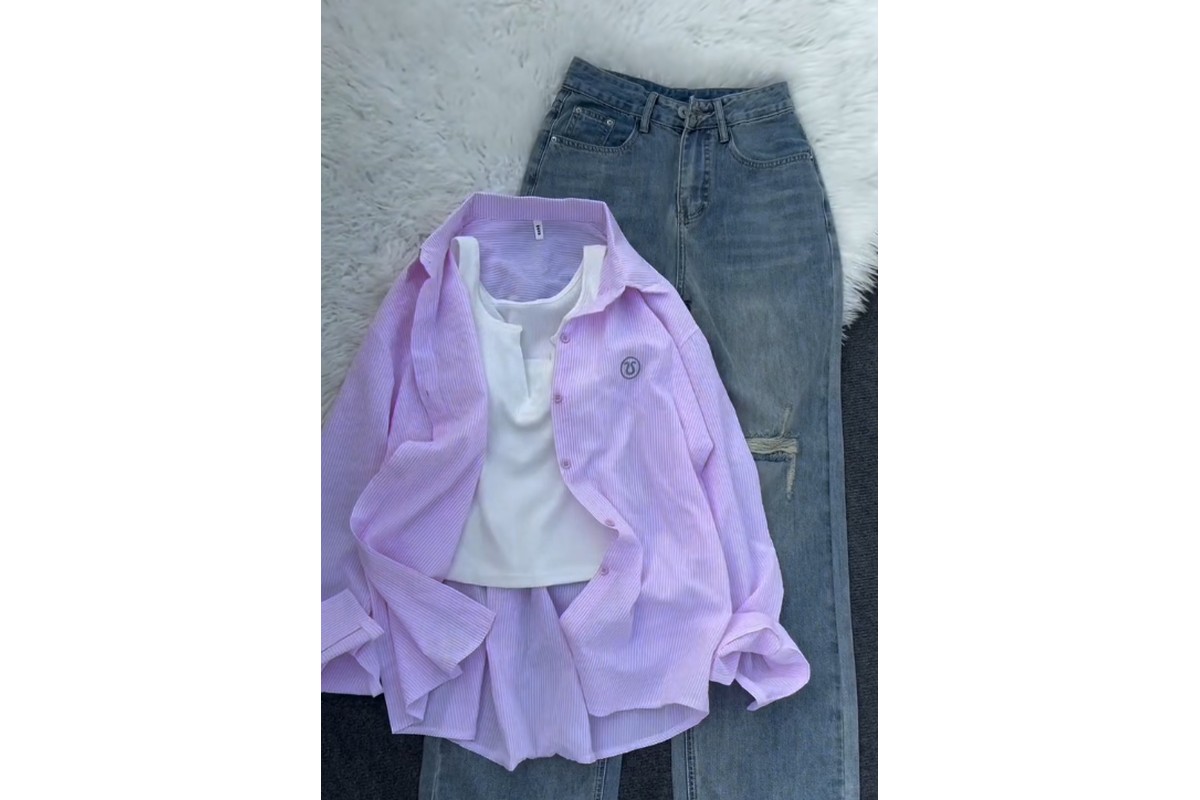
The Georgette Anarkali Dress with Dupatta at ₹99 shows why every photo is worth opening: its gallery differs in sleeve and neckline as well as colour, so ask yourself whether you would wear any version pictured. The Printed Anarkali Set with Pleated Yoke and Dupatta, also ₹99, varies in neckline and style across its photos too. A print at least carries several colours already, so the exact shade matters less. The Oversized Shirt with White Tank and Light Jeans at ₹99 is a casual outfit built around an oversized shirt. Its photos show plain, striped and checked shirts. Check the product description for what the set includes before you count on every piece.

The pieces to think harder about are the ones with a job. If you need to match a dupatta you already own, coordinate with someone else’s outfit, or hit a specific colour for a particular evening, an assorted listing is the wrong place to try.

Buying deliberately when you cannot choose

  • Buy for cut first, and check that the cut is the same in every photo. A shape that suits you is wearable in any colour. Where the gallery differs in sleeve, neckline or style, the cut is not fixed either.
  • Prefer prints to solids. A print already contains several colours, so the exact shade matters less.
  • Build around neutrals you already own. Denim, black, white and beige absorb an unexpected colour easily.
  • Avoid buying two assorted pieces meant to match each other. Two independent draws will not coordinate on purpose.
  • If the colour genuinely decides it, pick a page that shows one colour in every photo, and confirm with the shop before you order, because a colour in the name alone does not settle what is sent.

If the colour that arrives does not work for you

The seven day change of mind return applies as it does to anything else: unused, in its original packing, and you pay the return postage, which is not refunded. On a ₹99 piece that postage can be a large share of the price, so it is worth deciding before you order rather than after.

That asymmetry is the real reason to buy assorted ranges for shape rather than shade. The upside of the gamble is small, and the cost of undoing it is not.

If you are deciding between two styles rather than two colours, anarkali or kurta set for a Diwali evening compares the shapes directly, and co-ord sets five ways shows how a single piece can be restyled when the shade is not what you planned. The wider Festive Fashion range is where most of these listings sit.

Lavender open shirt displayed over a white top beside light jeans

Frequently asked questions

Can I choose the colour of an assorted item?

Only if the product page gives you a colour selector. Where Size is the only selector, you are choosing a size and the colour is not part of the order.

Why does the title list colours when checkout does not?

The title describes what the photos show; the selector shows what you can choose. This guide does not know the shop’s reasons. Where there is no colour selector, read the colours in a title as examples.

Will I get the colour in the main photo?

Not necessarily. Where there is no colour selector and the description explains that the colour is sent as available, treat the main image as one example from the gallery, not as the item reserved for you.

Is an assorted item returnable if I dislike the colour?

Yes, under the seven day change of mind return, unused and in its original packing. You pay the return postage and it is not refunded.

Which pieces are safest to buy when colour is not selectable?

Prints rather than solids, shapes you already know suit you, and pieces you will wear with neutrals such as denim, black or white.

Posted on — Leave a comment

Buying Jeans Online Without Waist Measurements

Black wide-leg jeans worn with a cropped top

To buy jeans online right size first time, you need three numbers, and a listing that gives you only S to XXL has handed you none of them. That is the normal situation here: of the jeans and denim pieces live on the shop, most describe the cut and the wash rather than the waist and the rise. The fix is not to guess harder. It is to take the numbers off a pair you already own, and then get the same numbers for the pair you want.

This article covers the three measurements, what to ask the shop, how to read a cut from a photograph, and why the fabric matters to the numbers.

The three numbers that decide jeans fit

Everything else is detail.

Waist

Where the waistband sits when the jeans are done up, measured all the way round. This decides whether they stay up and whether they dig in when you sit down.

Rise

The distance from the crotch seam up to the top of the waistband at the front. Rise is what people actually mean when they say a pair feels wrong but they cannot say why. It decides where the waistband lands on your body, and no amount of belt solves a rise that is wrong.

Inseam

The inside leg, from the crotch seam straight down to the hem. This decides the length, and it is the one a tailor can change easily.

Blue wide-leg jeans held up to show their front

Measuring a pair you already wear

Take the pair you reach for most, the ones that fit the way you want the new ones to fit. Do them up, lay them flat on a bed, and smooth out the pockets.

  • Waist: measure straight across the top of the waistband from edge to edge, then double it. A flat measurement of 15 inches is a 30 inch waist.
  • Rise: measure from the crotch seam up to the top of the waistband at the front.
  • Inseam: measure from the crotch seam down the inside of one leg to the hem.
  • Thigh, if you want to be thorough: measure straight across one leg, an inch below the crotch seam, and double it.

Write the four numbers in your phone once and you will never do this again. On their own they do not pick a size, because an L you own says nothing about an L from another maker. They pick a size when the seller gives the same measurements for each letter. Where the page does not, email the shop with the product name and ask for the waist, rise and inseam of the size you are considering.

Reading the cut from the photograph

The cut tells you how the jeans will behave, and the names are consistent enough to rely on.

  • High rise: the waistband sits at or above the natural waist. Look for where the model’s top tucks in, and for a visibly long distance between the waistband and the hip.
  • Mid rise: the waistband sits below the natural waist and above the hip bone. The most common cut and the most forgiving if you are unsure.
  • Wide leg: the leg is cut straight and wide from the thigh down. The hem is as wide as the knee or wider.
  • Baggy: loose through the seat and the thigh as well as the leg, so there is extra room everywhere rather than just below the knee.
  • Cargo: wide or straight, with patch pockets on the thigh. The pockets add visual width where they sit.
  • Flared: narrow through the thigh and knee, then opening out below. The only cut on this list that is fitted anywhere.

Match the cut to your measurement. A photograph shows the shape of a cut, not its dimensions, so a wide leg in a picture is no assurance of room at your thigh. Compare your thigh and rise numbers with the garment’s actual measurements once you have them.

Stretch denim versus rigid denim

Rigid denim is what it says: it has no give, so the waist measurement is the waist you get. That makes the seller’s waist measurement the one to trust.

Stretch denim has elastane in it and gives a little. It is more forgiving on the day and less forgiving over time, because stretch can relax with wear. Neither fabric tells you which size to pick on its own. That comes from the seller’s measurements for the pair you are looking at, and from any fit guidance the shop gives for it.

Check the product description for the fabric content. Where it is not given, a photograph will not settle it, so ask the shop.

Light-blue wide-leg jeans worn with a dark top

Three pairs and who each suits

The Women’s High-Waist Wide-Leg Jeans in Classic Blue at ₹149 pair a high waist with a wide leg. The photos show the broad leg and give no measurements, so the waist, rise and inseam are the numbers to ask the shop for.

The High-Rise Wide-Leg Baggy Denim Jeans at ₹199 go further in the same direction. Baggy means room through the seat and thigh as well, but the photos show the shape and not the numbers. Ask for the waist and rise here too.

For men, the Men’s Wide-Leg Jeans in a Relaxed Fit at ₹99 follow the same logic. Relaxed describes the cut, not the size, so the waist measurement is still the thing to ask for.

Length, and what wide legs do to a hem

Wide leg and baggy cuts are usually drawn long, because the look depends on the hem reaching the floor or close to it. If your inseam is on the shorter side, you may want them taken up, so ask the shop for the inseam and ask a local tailor what a hem costs before you order.

A pair that is too short is harder to deal with than one that is too long, and what a tailor can do depends on the pair in front of them. So ask the shop for the inseam before you order, and do not count on an alteration to rescue the length.

How to buy jeans online right size, in five checks

  • Compare your four numbers against the seller’s measurements, not against the letter.
  • Between two sizes on those measurements: ask the shop which it suggests for that pair, and check the product description for the fabric.
  • Prefer wide leg or baggy if you are unsure of your thigh measurement.
  • Ask for the inseam on a wide leg pair, and find out what a hem would cost if it runs long.
  • Remember the published return policy does not describe a size exchange. Ask the shop, and otherwise plan on returning and reordering, with the return postage yours to pay.

For pairs available right now, wide leg jeans for women walks through the current options, and Diwali outfits for college students under ₹199 puts them into whole outfits. The Women’s Western Wear range holds the rest.

Light-blue wide-leg jeans displayed on a hanger

Frequently asked questions

How do I measure jeans I already own?

Lay them flat and done up. Measure the waistband edge to edge and double it, the rise from crotch seam to the top of the waistband, and the inseam from crotch seam to hem.

What does high rise mean?

The waistband sits at or above your natural waist rather than on the hip. It is the cut most likely to stay where you put it through a long day.

Do wide leg jeans need a shorter inseam?

They are often cut long on purpose. If your inseam is shorter than average, ask the shop for the inseam first, and check with a tailor whether that pair can be hemmed.

Should I size up in stretch denim?

There is no rule that follows from the fabric alone. Stretch gives a little and can loosen with wear, and rigid denim does not give. Use the seller’s measurements for that pair, and ask the shop if they put you between two sizes.

Can jeans be altered after delivery?

Sometimes. A hem can often be shortened and a waist sometimes taken in, but it depends on the pair and the tailor. The rise and the thigh are the hardest to change, so get those right at the order stage.

Posted on — Leave a comment

How to Judge Fabric From a Product Photo

Cream floral flared outfit shown with a matching drape

Learning to judge fabric from photos online will not tell you how an outfit feels at the end of a long day. It will tell you what to ask before you order. Two listings can show the same shape, the same price and a similar print, and wear quite differently, because the cloth differs. A photograph cannot prove what a cloth is made of. It can show how it hangs, shines and creases, and that is enough to ask better questions of the product description.

This guide works through the usual cues, fabric by fabric, says where they stop being reliable, and then lists what to check for the part of the festival you are dressing for.

Why fabric decides comfort more than print does

Print is the thing you notice and fabric is the thing you feel. The actual cloth, meaning its fibre, weave, weight and lining, decides four practical questions: whether air moves through it, whether it creases when you sit, how it falls when you stand, and how much work it is afterwards.

Early November in most of India is warm in the day and cool after dark, often in the same outfit on the same evening. That split is what makes the fabric choice worth five minutes of attention rather than none.

Folded red garment with multicoloured floral decoration

Cotton and cotton blends

The cues are matte and a little irregular. Cotton tends not to bounce light back at the camera, so the surface in a photograph usually looks flat and slightly grainy rather than glossy. Look at the folds: cotton tends to make soft, rounded creases that stay put, and you can often see a crease line in a studio shot because the garment was folded before it was photographed.

A blend can sit anywhere in between: often a little smoother than pure cotton, with fewer creases. That is exactly why a photo alone will not separate the two, and why the fabric line in the description matters.

The Cotton Kurti with Lace Trim at ₹99 is one to practise on. Its photos show the cloth folded, so you can look at the surface and the lace, and not at how it hangs. Check the product description for the fabric. The photos cannot confirm it, and they say nothing about softness or comfort.

Georgette and crepe

Both usually drape, and they are easiest to tell apart at the hem. Georgette has a slightly crinkled, open texture and falls in many narrow folds, so a georgette hem in a photograph looks busy, with lots of small vertical lines. Crepe has a finer pebbled surface, falls in fewer and heavier folds, and photographs smoother.

Both names describe how a cloth is woven and say nothing about what it is woven from. Georgette and crepe are made in several fibres, and those do not crease or wear alike, so the name alone settles neither. Georgette is often the more see through of the two, so look for a lining or an inner layer in the photographs, and check the product description for what is included.

The Georgette Anarkali Dress with Dupatta at ₹99 is another to practise on. Its gallery shows more than one cut, so judge each photo on its own: narrow folds in one image tell you about that image. Check the product description for the fabric.

What that means for sitting on the floor

If you are going to be on the floor for a puja, look at the cut before the cloth. The photos can show whether a skirt or kurta has enough width to fold around you when you sit. They cannot show whether it will be creased when you stand up. That depends on the fibre, so check the product description for the fabric, and ask the shop if it is not there.

Pink halter-neck dress shown with a matching drape

Satin and organza

These are the shiny ones, and the camera loves them, which is exactly the problem.

Satin reads as a continuous bright highlight that runs along the fold rather than sitting in a patch. A surface that smooth shows pulls and snags easily, so look closely at the photographs for surface marks. Satin is a weave and not a fibre. How heavy it is and how it feels on the skin depend on what it is woven from, and that is a question for the product description.

Organza photographs differently. It is a sheer, crisp cloth, and the signs are a hem that stands out rather than falling down, and light passing through the fabric at the edges. A crisp cloth tends to hold sharp fold lines, so see whether the photos show any, and check the care line for how to deal with them.

The Organza Silk Saree with Hand Embroidery at ₹99 is a third to practise on. Its photos show the cloth folded, and one shows an edge lifted so that light comes through. That is evidence of a sheer cloth. It is not evidence of weight, comfort or how the saree sits when worn, so check the product description for the fabric and the care line before you decide.

How to judge fabric from photos online in four checks

A short routine you can run on any listing in under a minute.

  • Find the shaded part of the garment. Shine in shadow points to a satin or other smooth weave; a flat, slightly grainy shadow points to a matte cloth such as cotton.
  • Look at the hem. Standing away from the body points to organza or a stiff net; many narrow folds point to georgette; a few heavy folds point to crepe.
  • Look at the creases. Soft crease lines show a piece that was folded and held the fold. A surface with none may have been steamed or edited. Neither one tells you the fibre.
  • Open the close up photographs. Weave texture is visible at close range and invisible at full length, and it is the most useful single clue there is.

Each check gives a hint and none is proof. Lighting and editing can make one cloth look like another, and no photo shows fibre content, so the product description has the last word. If it does not name the fabric, ask the shop before you order.

Matching fabric to the occasion

  • Morning puja and daytime visits: cotton or a cotton blend is what most people reach for on a warm day. Check that the product description names the fabric, and look for a lining, because a lining changes how warm a piece wears.
  • A long day that runs into the evening: georgette or crepe are common picks for the way they fall. How either wears over a full day depends on the fibre and the lining, so check the product description for both.
  • One evening, photographs expected: satin or organza. Both show up well on camera. Try the piece on at home first to find out how long you are happy in it.
  • Travelling between houses: no fabric name settles how a piece creases in a car. If that matters to you, ask the shop what the cloth is made of, and carry the outfit on a hanger where you can.

Afterwards, which is less work

Start with the care line in the product description or the label on the garment, and follow it. That line belongs to that garment. The fibre, the lining, the dye and the embroidery all change how a piece should be washed, and none of them shows in a photo. If there is no care line and no label, ask the shop before you wash it, and do not work it out from the fabric name. What you can plan for is handling. Smooth and sheer cloths show marks and snags easily, so keep them clear of jewellery and rough surfaces.

If this is your first festive order, read how to choose a saree at ₹99, where drape decides nearly everything, and what to wear for Lakshmi Puja at home for the occasion where comfort beats shine. The full Women’s Ethnic Wear range is where to apply all of this.

Hand holding a translucent decorated edge above folded fabric

Frequently asked questions

Which fabric is most comfortable for a long festive day?

It depends on the fibre, the weight and the lining more than on the name. Cotton or a cotton blend is the common choice for a warm daytime, and georgette or crepe for a day that runs into an evening. Check the product description for the fabric and the lining, and try the piece on at home before the day.

How can I tell cotton from a blend in a photo?

Often you cannot. Pure cotton tends to look matte and slightly grainy and to hold soft creases, and a blend often looks smoother, but the two overlap. Check the product description for the fabric.

Does georgette crease?

It depends on what it is made from. Georgette is a weave that comes in several fibres, and they do not crease alike. Check the product description for the fabric, and ask the shop if creasing matters to you.

Is organza itchy to wear?

It is stiff rather than soft, and it holds its shape away from the body. Whether that bothers you over a full day is personal, so try the piece on at home before the occasion.

Which fabric needs the least care after the festival?

The care line for the piece you bought decides it, not the fabric name. Lining, dye and embroidery all change the answer. If the product description and the label give no care instructions, ask the shop before you wash it.

Posted on — Leave a comment

₹99 Clothes: What to Check Before You Order

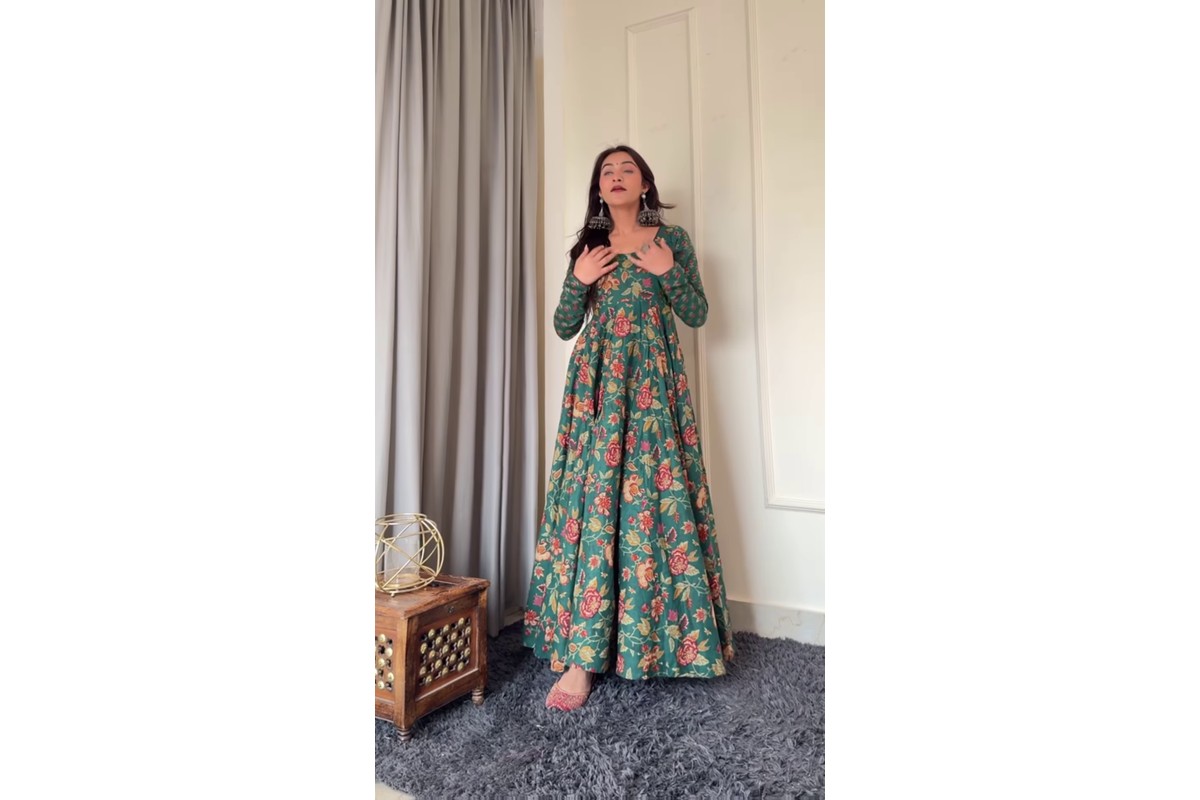
Green floral flared dress with long sleeves

If you are weighing up 99 rupee clothes online, the useful question is not whether the price is believable. It is what the price tier can and cannot do, and how to tell from a listing which side of that line a particular piece falls on. On this shop the ₹99 tier is not a handful of loss leaders. Of the 378 products live today, 175 are priced at ₹99, so it is the default rather than the exception.

This guide has not handled the garments, so it gives no verdict on quality. It covers what you can check from the page before you order, which shapes carry less risk, and when it makes sense to look at a higher price.

What the tier actually covers

It is wider than people expect. At ₹99 you will find kurtis, kurta sets with pants, anarkali dresses with a dupatta, sarees, oversized shirts, men’s jeans, t-shirts, kids’ tops and watches. It is not a bargain bin of one category; it is most of the shop.

That matters because it changes the comparison you should be making. You are not choosing between a ₹99 kurti and a ₹999 kurti. You are usually choosing between two ₹99 kurtis, and the thing that separates them is the cut and the fabric, not the price.

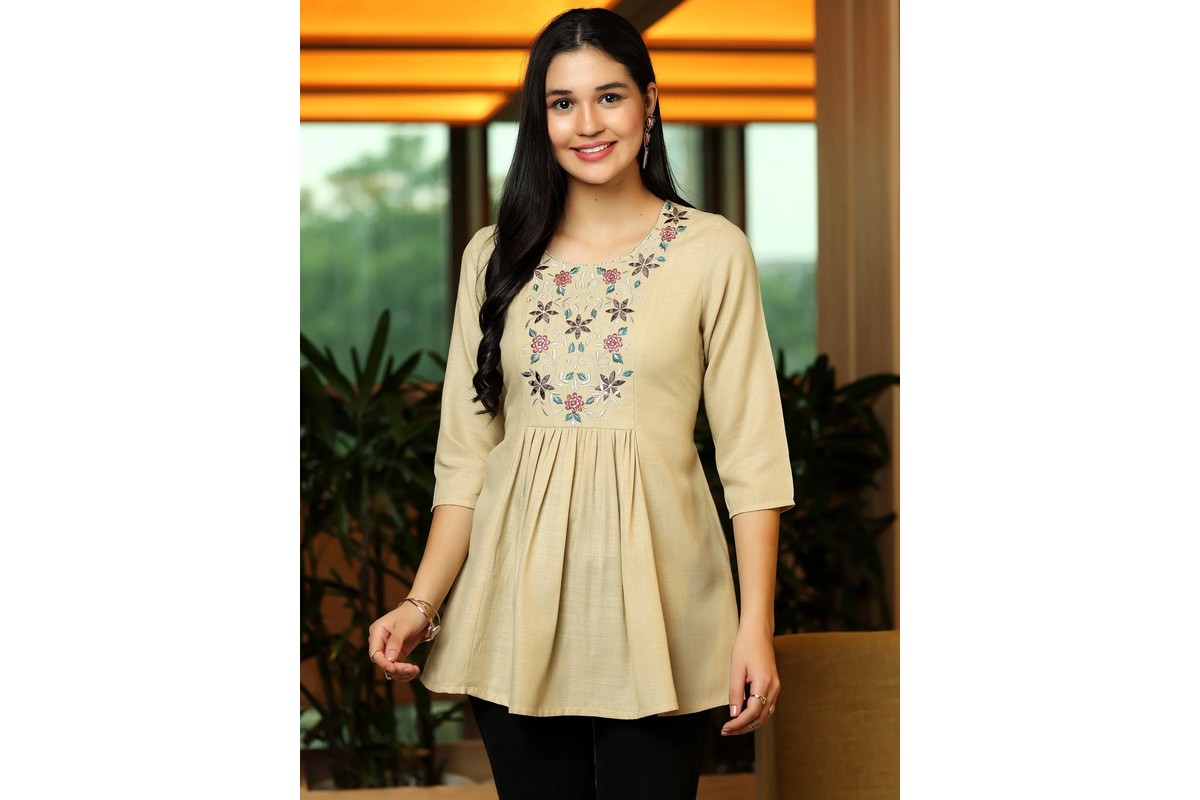
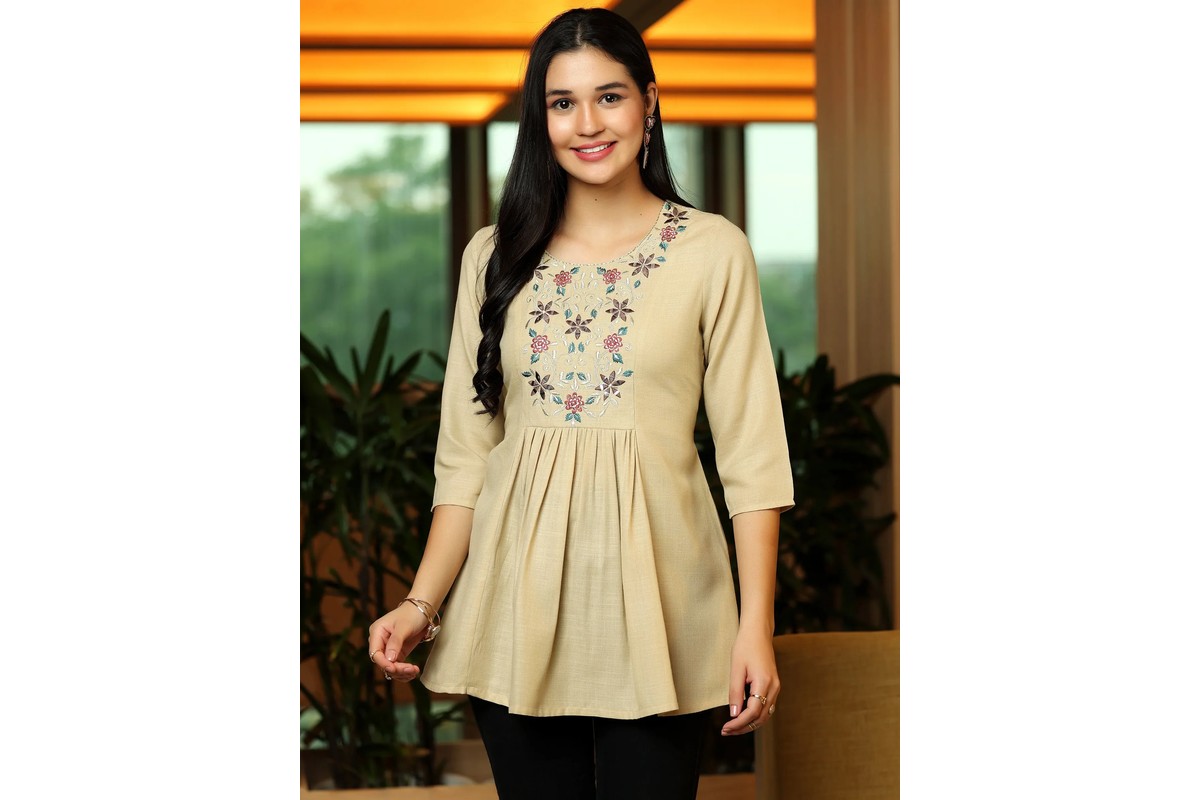
Beige flared tunic with floral yoke detail

What the price cannot tell you

A price is not a description. It does not tell you how heavy the cloth is, how the seams are finished, or how many washes the piece will take, and the shop does not publish how its garments are made.

What you can check is on the page. Check the product description for the fabric, the fit and what is included. Look at what the selector lets you choose. Open every photograph. And know the return terms before you order, because they decide what a wrong guess costs you.

Two ₹99 pieces with the same price can differ on every one of those points, which is why the comparison is worth five minutes.

Which cuts forgive a wrong guess

This is the single most useful idea in this article. Some shapes depend on precision, and some do not. At any price, the forgiving shapes do more for you.

  • A-line and flared. The garment falls away from the body below the yoke, so the fit decision is made at the shoulders and the chest and nowhere else.
  • Oversized and relaxed. These are drawn loose on purpose, so a small difference shows less.
  • Wrap and tie waists. You set the fit yourself when you put it on.
  • Gathered skirts and wide trousers. Fabric in motion hides a lot.

The shapes that ask more are the fitted ones: narrow waists, structured shoulders, straight skirts and anything that is meant to sit exactly on a seam line. Those are the ones to ask the shop for measurements on before you order.

The Beige Cotton-Blend A-Line Kurti with Detailed Yoke at ₹99 is an A-line. The Floral Cotton Anarkali Dress with Full Sleeves at ₹99 has a flared skirt, but check the product description for the bodice, because a fitted top half still has to fit. The Oversized Cotton Shirt with Heart Patches, also ₹99, is an oversized cut, the loosest of the three.

Magenta floral long dress with a gathered waist

Reading the photographs properly

The photographs are the only inspection you get, so slow down over them. Four things repay the attention.

Look at the hem and the seams

A hem photographed from an angle hints at whether the cloth stands out or hangs limp. Where you can see a seam, look at whether it runs straight and whether the pattern meets across it. A photo is a hint, not proof.

Look at the fabric in shadow, not in light

Studio lighting flatters everything. The folds and the shaded parts are less flattered, and they give a better idea of whether the cloth looks crisp, soft or limp.

Open every photo in the gallery

The main image is the sales photograph. The ones after it are often closer, less styled and more informative, and a detail shot of an embroidered yoke tells you more than three full length shots.

Check what is being worn with it

Styling in a photograph is not part of the order. If a look includes a jacket, a belt or jewellery, those are there to sell the mood, and the product description is where to check what is actually included.

What 99 rupee clothes online really cost

The listed price is not the price you pay, and this is where people misjudge the tier in both directions.

One ₹99 piece ordered alone costs ₹138, because delivery is ₹39 under a subtotal of ₹299. Four ₹99 pieces cost ₹396 with delivery free, which is ₹99 each exactly as listed. So the tier is cheapest when you buy several things at once and most expensive when you buy one thing on impulse.

The other adjustment is returns. On a change of mind return the postage back is yours to pay and is not refunded, and the refund covers the product price. On a ₹99 garment that postage can be a large share of the price. The tier rewards getting the size right the first time more than any other, which is why the forgiving cuts above matter so much here.

Buying two of the same thing

At this tier people often order two sizes of the same piece intending to keep one. It is a reasonable instinct and a poor plan here, because the published return policy does not describe a size exchange and the return postage on the unwanted one is yours.

If you want two things anyway, order two different pieces rather than two sizes of one. Do not expect the same letter to fit the same way on both, because two unrelated pieces may be cut differently. Check each against clothes you own the day the parcel arrives.

When to step up a tier

Spending ₹249 or ₹349 instead of ₹99 is worth it in three situations.

  • When the kind of piece you need is not sold at ₹99. No coat, blazer or puffer jacket on the shop is priced that low today; they start at ₹139.
  • When the description of the dearer piece gives you something specific that matters to you, such as a lining or a matching bottom.
  • When it is a gift and the dearer piece is simply the better match for the person.

A higher price is not proof of better making, and this guide cannot tell you that it is. For most orders, choosing well between two ₹99 pieces matters more than choosing between tiers.

If you want to see the range, the Women’s Ethnic Wear listing is where many of them sit. Diwali outfit ideas under ₹349 covers pieces priced above ₹99, and how to choose a saree at ₹99 applies the same thinking to the one category where drape matters most.

Pink oversized collared shirt with pale heart motifs

Frequently asked questions

How many items are priced at ₹99?

175 of the 378 products live on the shop today, so a little under half. The tier covers ethnic wear, western wear, men’s clothing, kids’ tops and some accessories.

Is ₹99 clothing worth buying for a festival?

That depends on the piece, not the price, and this guide has not tested the garments. A forgiving cut chosen from clear photos and a clear description is the lower risk order. For anything fitted, ask the shop for measurements first.

Which fits work best at this price?

A-line, flared, oversized, relaxed, wrap and tie waist shapes carry less risk than fitted ones. Shoulder, chest and waist measurements still matter, so ask the shop for them where the page gives none.

Will a ₹99 kurti last past one season?

Nobody can tell you that from a price or a photograph. How a garment is washed matters for any piece, so follow the care line in the product description or on the label.

Does the ₹99 price include delivery?

No. Delivery is free once the subtotal reaches ₹299, so a single ₹99 piece costs ₹138 all in, while four ₹99 pieces cost ₹396 with nothing added.

Posted on — Leave a comment

Returns and Refunds for Festive Clothes, Step by Step

Lime-green wrap-style sleeveless top worn with wide-leg trousers

Knowing how to return festive clothes online before you order is what makes a first order feel reasonable rather than risky. On this shop there are two separate routes, and people often try to use the wrong one. A damaged or incorrect item has its own fast route with a 48 hour window. Changing your mind is a different process with a seven day window and a cost attached to it.

Here is what each one covers, what it costs you, and how long the money takes to come back.

Route one: something arrived damaged, wrong or missing

This is the route to use when the parcel is not what it should have been. The window is 48 hours from delivery, which is short, so deal with it the day it arrives.

Email the shop with the order number and photographs: the item itself, the inner packaging, and the outer box with the shipping label visible. For a missing item, a photograph of everything you did receive is enough. The shop replies within one working day and confirms either a free replacement or a refund, and you choose which, subject to stock.

A replacement is dispatched free within two working days. You usually do not have to send the original back; if the shop does ask, it arranges and pays for the pickup. Nothing here comes out of your pocket.

The one thing that can go wrong is evidence. Claims without photographs are accepted only rarely and at the shop’s discretion, so photograph the parcel before the box goes in the bin.

Beige flared tunic with floral yoke detail and three-quarter sleeves

Route two: you changed your mind

The window is seven days from delivery, and the item has to be unused, in its original packing and in a condition that could be sold again. Checking the fit at home is one thing. Wear it to a party and it is no longer unused.

Email within those seven days with the order number and the item. The shop confirms a return address in Hyderabad and a return reference. You pack it securely and send it by any courier or by India Post, and you pay that postage. Keep the tracking number.

When it arrives and passes inspection, the product price is refunded. Items that arrive used, or broken because the return packing was poor, or without the original packing, may be refunded in part or not at all, and the shop tells you before deciding.

What this costs on a ₹99 piece

This is the part worth thinking about before you order rather than after. The shop does not set the return courier charge. It depends on the courier or post office you use, the weight and the distance, and it is not refunded. On a ₹99 kurti, that charge can be a large share of what the kurti cost, so ask for the rate before you decide to send it back.

That arithmetic is not an argument against ordering. It is an argument for getting the size right the first time, and for ordering the shapes that forgive a small error.

Size changes: ask first, then plan on a return and a fresh order

The published policy explains returns and refunds. It does not describe a size exchange, and it does not rule one out, so email the shop and ask before you assume either way. If no exchange is offered and an L is tight, you return the L and place a new order for the XL. Two postage legs, two waits, and in festival week that is usually too slow to be useful.

So the practical defence is upstream. Measure a garment you already own rather than guessing from the letter, ask the shop for the measurements of the size you want, and favour cuts that do not depend on hitting one measurement exactly. The Beige Cotton-Blend A-Line Kurti with Detailed Yoke at ₹99 is described as an A-line that flares gently from the waist, which gives room below the waist but not at the chest or shoulder. The Lace-Trimmed Cotton Kurtis in Solid and Pastel Shades, also ₹99, are photographed folded, so the pictures show the decoration but not the fit. That is a piece to ask about before you order. A tailored two piece such as the Wrap Blazer and High-Waist Pants Co-ord at ₹149 asks more of you, because the high-waisted pants have to fit as well as the blazer, and one size covers both.

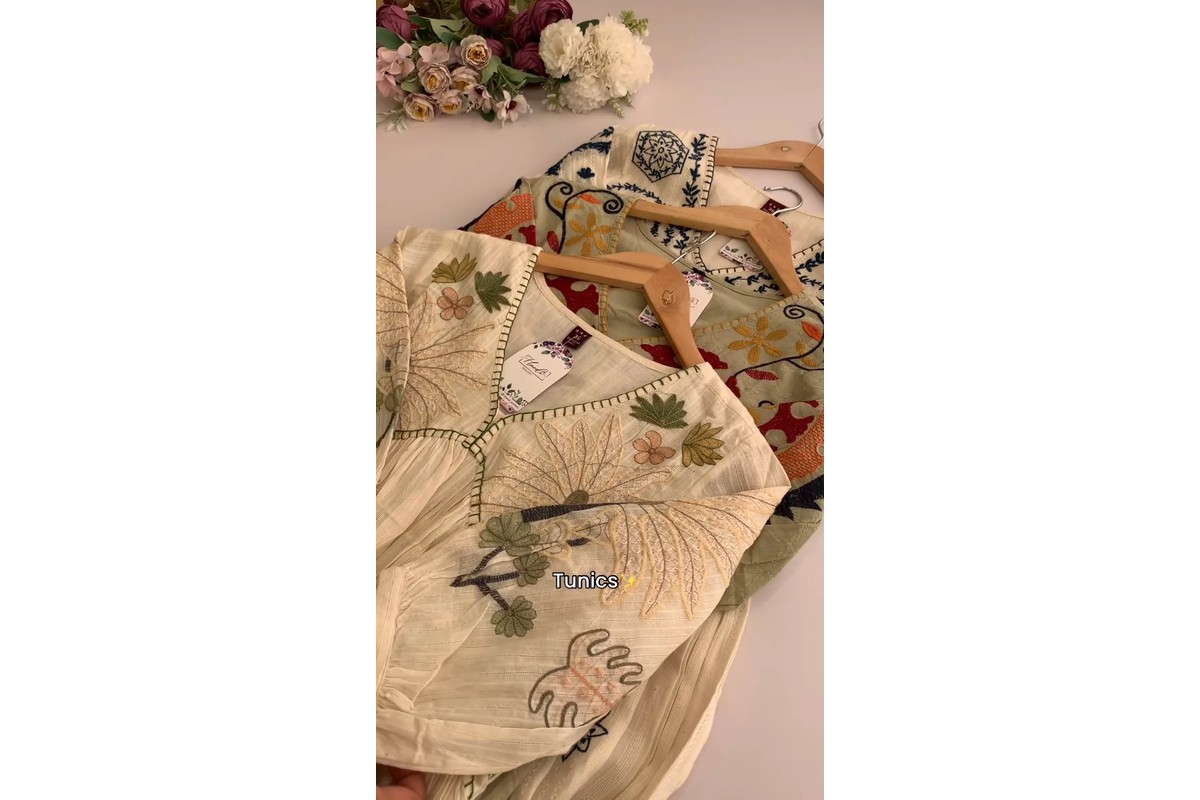
Cream garments with botanical and ornamental motifs displayed on hangers

Items that cannot be returned for a change of mind

A short list, and it is about hygiene and safety rather than inconvenience.

  • Ghee wicks, agarbatti, dhoop and camphor.
  • Anything marked final sale on the product page.
  • Personalised or custom-packed hampers.

All of these are still covered by route one if they arrive damaged or incorrect. Candles, diyas, lights, decor, thalis and puja kits with their seals intact can be returned under the seven day rule like anything else.

How the refund reaches you

Every order is Cash on Delivery, so there is no card to credit. Refunds go by UPI to an ID you give, or by bank transfer to an account name, number and IFSC you give.

The processing time is seven working days from the point the shop approves a damage claim or receives a change of mind return. Your bank may take a further one to three working days to show the credit, so plan on something over a week rather than a couple of days. The product price is refunded in full; the return courier cost is not. Bank or UPI details you send are deleted within thirty days of the refund being completed.

If you refused the parcel at the door, none of this applies. No money changed hands, so the order is simply cancelled and there is nothing to refund.

Gifts, and who gets the money back

If the order was a gift and the recipient reports a problem, either of you can contact the shop. The refund goes to whoever paid the cash at the door, unless both of you agree otherwise in writing. Worth settling between yourselves before anyone emails, because it saves a round of messages.

How to return festive clothes online without needing to

  • Measure before you order, and write the numbers down for next time.
  • Prefer A-line, flared, wrap and relaxed cuts when you are unsure.
  • Order early enough that a return and a reorder would still land before the day.
  • Photograph the parcel on arrival, every time, before anything goes in the bin.
  • Keep the order number. Every route starts with it.

For the spending side of the same decision, the Diwali budget planner helps you plan the rest of the festival’s spending, and what to wear for Lakshmi Puja at home covers outfits for the main evening. The Women’s Western Wear range holds the blazers and co-ords.

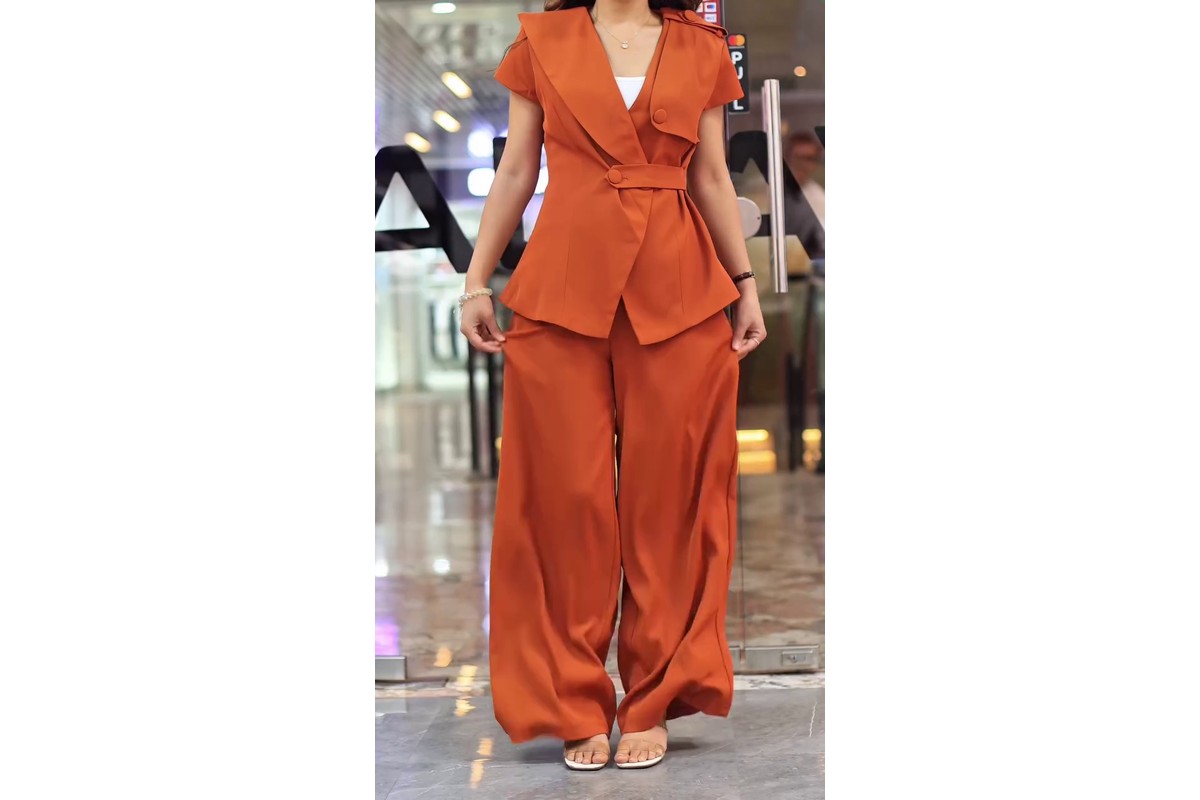
Rust-orange wrap-style top worn with matching wide-leg trousers

Frequently asked questions

How many days do I have to return something?

Seven days from delivery for a change of mind, with the item unused and in its original packing. Forty eight hours from delivery for anything damaged, wrong or missing.

Can I exchange an item for a different size?

The published policy covers returns and refunds and does not describe a size exchange, so ask the shop. If none is offered, return the item within seven days and place a fresh order in the size you want.

Who pays the return courier?

You do, on a change of mind return, and that cost is not refunded. On a damage or wrong item claim you pay nothing; if the shop needs the item back it arranges and pays for the pickup.

How long does a refund take?

Seven working days from approval or from the returned item reaching the shop, by UPI or bank transfer, plus one to three working days for your bank to show it.

Are opened puja consumables returnable?

Ghee wicks, agarbatti, dhoop and camphor are not returnable for a change of mind. They are still covered if they arrive damaged or incorrect.

Posted on — Leave a comment

Cash on Delivery: What to Expect at the Door

Black-and-white check shirt displayed over blue jeans

Buying cash on delivery clothes online removes the part that makes people hesitate: you do not hand over money to a shop you have not dealt with before. On this shop Cash on Delivery is not one option among several, it is the only way to pay, and it carries no separate charge of its own. What it does carry is a short list of things worth knowing before the courier calls.

This is what happens between placing the order and paying at the door, and what you can do at each point.

What cash on delivery clothes online actually means here

Nothing is charged when you place the order. No card details are taken, because there is no card step. The amount due is the subtotal plus the ₹39 delivery fee if the subtotal is under ₹299, and nothing extra for paying in cash. Delivery is free once the subtotal reaches ₹299.

Because no money has moved, cancelling before dispatch costs nothing and involves no refund. That is the biggest practical advantage of the arrangement.

Dark floral kurta worn with coordinating printed trousers

Before the parcel arrives

Two things decide whether the delivery goes smoothly, and both are set at the moment you order.

The phone number

The courier calls the number on the order before delivering. Give a number that will be answered during the day, not one that sits in a drawer. If the parcel is going to a parent or a sibling, put their number on the order rather than yours.

The courier normally tries up to three times, on consecutive working days. After three failed attempts the parcel goes back to Hyderabad, and the order has to be re-arranged or cancelled. In the week before a festival that is usually the difference between wearing the outfit and not.

The cash

Whoever opens the door needs to know the amount and have it ready. The checkout page says the courier can be paid in cash or by UPI. Tell them the figure rather than the item, because the person delivering will ask for a number. A parcel turned away because nobody in the house had the money goes back like any refused parcel, and the cancellation policy says a pattern of refusals at one address can lead the shop to decline Cash on Delivery there in future.

At the door

You may open the outer box in front of the delivery person before paying, where the courier allows it. Not every courier does, and the person at your door is following their employer’s rules rather than being difficult.

What you can always do is look at the box. If it is crushed, wet or has already been opened, you can refuse it outright. Refusing costs nothing: no money changes hands, the parcel returns, and the order is cancelled. Send the shop a message afterwards so the order is marked correctly rather than left open.

If you accept the parcel and then find a problem, you have not lost anything. The damage route stays open for 48 hours after delivery, and it is a separate and faster process than a change of mind return.

Photograph before you throw the box away

This is the one habit worth forming. For a damage or wrong item claim you need photographs of the item, the inner packaging, and the outer box with the shipping label on it. Once the box is in the bin that evidence is gone, and claims without photographs are accepted only rarely and at the shop’s discretion. Thirty seconds with a phone protects the whole order.

Peach-and-white check shirt displayed with dark jeans

Cancelling

Before dispatch, cancellation is free at any time. Email the shop using the address on its Contact page, quote the order number and the word cancel, and you will normally get a confirmation within a few working hours. Working hours are 10:00 to 19:00, Monday to Saturday.

Speed matters, because orders are handed to the courier within one working day of confirmation. An order placed in the evening can be cancelled comfortably with a message before 10:00 the next morning. The last week before Diwali is tighter. The cancellation policy says orders may then go out the same day, which can leave only an hour or two to cancel.

You can also remove individual items rather than cancelling the whole order. The shop updates the order and sends a revised total, which is useful when one piece in a family order turns out to be the wrong idea.

After dispatch the parcel cannot be stopped. At that point your two options are to refuse it at the door, or accept it and return it within seven days under the return policy. Ignoring the courier’s calls is the one approach that helps nobody, including you.

A short checklist before you confirm

Five things, worth thirty seconds each, that remove almost every problem people run into.

  • Check the pincode you typed. If you are unsure whether couriers reach your area, email the shop with the pincode before you order.
  • Put a reachable daytime phone number on the order, belonging to whoever will actually open the door.
  • Note the total shown at checkout, including the ₹39 if it applies, and tell the household that figure.
  • Decide the size before you order rather than after it arrives, because the published return policy does not describe a size exchange.
  • Keep the order number somewhere you can find it. Every cancellation, damage claim and return starts with it.

None of this is unusual for Cash on Delivery. It is simply that the convenience of not paying up front is paid for with a little more coordination at the other end.

What you are actually ordering

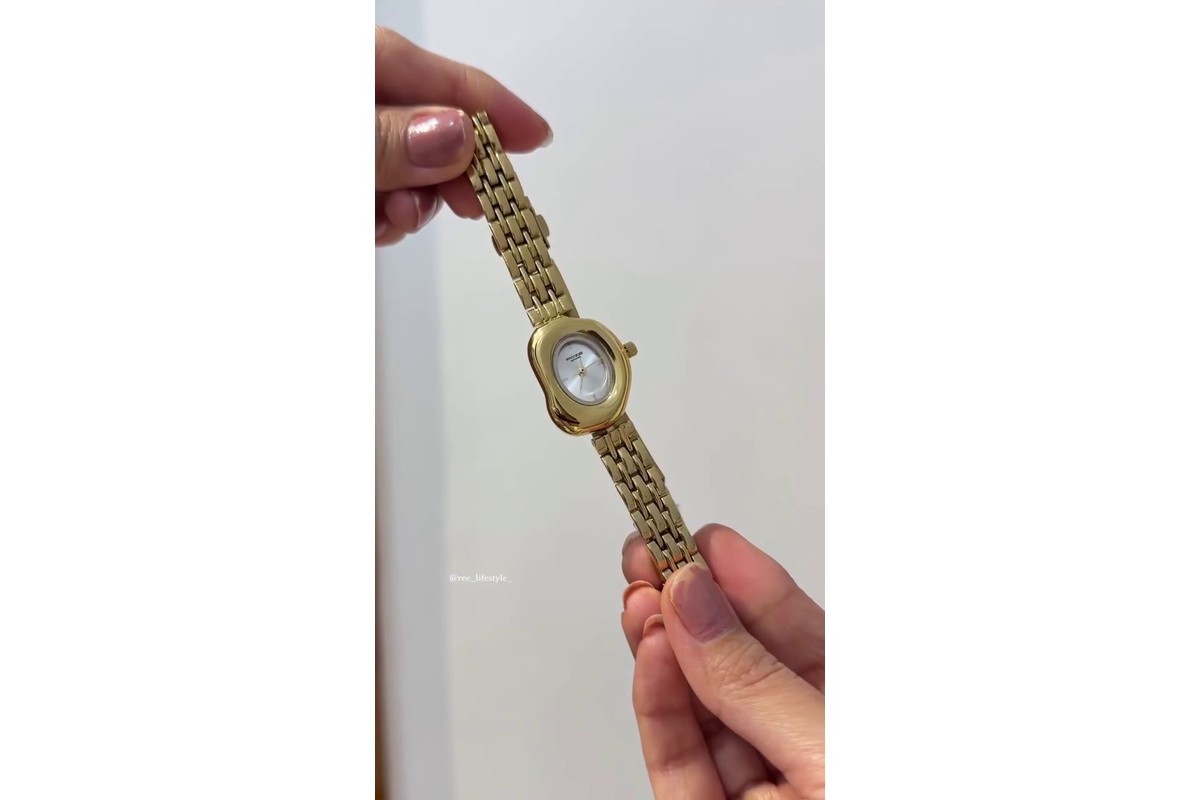
Cash on Delivery suits low value festive buying particularly well, because the risk on any single order is small. A kurta set such as the Printed Kurta Set with Straight Pants at ₹99 is a ₹138 commitment all in, paid at the door. A two piece outfit such as the Men’s Check Shirt and Denim Jeans Set at ₹149 is ₹188 all in. Add the Gold-Tone Oval Dial Watch and Bracelet Set for Women at ₹119 to both and the subtotal is ₹367, which is past ₹299, so there is no fee at all.

Browse the Men’s Wear range if that is the order you are building. If you are sending something to someone else’s door, Diwali gifts for neighbours and helpers is the related guide, and the Diwali safety guide is worth a read before anything electrical arrives in the house.

Gold-tone watch worn beside two slim bracelets

Frequently asked questions

Is there an extra charge for Cash on Delivery?

No. There is no separate Cash on Delivery fee. The only delivery charge is ₹39, and it applies when the subtotal is under ₹299.

Can I open the parcel before paying?

You may open the outer box in front of the delivery person where the courier allows it. You can always refuse a box that arrives crushed, wet or already opened.

How do I cancel a Cash on Delivery order?

Email the shop with your order number and the word cancel, before dispatch. Nothing has been paid, so there is nothing to refund. Orders go to the courier within one working day, so send it quickly.

What if nobody is home when it arrives?

The courier calls first and normally tries up to three times on consecutive working days. After three failed attempts the parcel returns to Hyderabad and the shop contacts you to re-send or cancel.

What do I do if the item is damaged?

Report it within 48 hours of delivery with photographs of the item, the inner packaging and the outer box with the shipping label. You choose a free replacement or a refund, subject to stock.

Posted on — Leave a comment

Free Delivery Over ₹299: What Actually Clears It

Gold-tone watch worn beside two slim bracelets

Free delivery over 299 sounds simple until you are standing at the cart with ₹297 of clothes in it. The rule on this shop has two halves: delivery costs nothing once the subtotal reaches ₹299, and ₹39 below that. Because so much of what is sold here is priced at ₹99, the gap between clearing the line and missing it is often one or two rupees, and the near misses are not obvious until you add them up.

This article lays out the arithmetic with real prices, so you can see which baskets clear ₹299 and which only look as though they do.

The rule, in one line

Subtotal of ₹299 or more: delivery is free. Subtotal below ₹299: a ₹39 doorstep delivery fee is added. Cash on Delivery carries no separate charge of its own, and the applicable delivery fee is shown at checkout before you confirm.

The subtotal is the price of the products. The ₹39 is not part of what is being tested, so a cart of ₹280 plus the fee does not count as having crossed ₹299.

Beige flared tunic with floral yoke detail and three-quarter sleeves

The near misses that catch people out

Here is where the trouble sits. These are all real prices on the shop today.

  • Three pieces at ₹99 each: ₹297. Two rupees short. You pay ₹39, so the order costs ₹336.
  • Two pieces at ₹149: ₹298. One rupee short, and the order costs ₹337.
  • A ₹249 piece and a ₹49 piece: ₹298. Again one rupee short.
  • A ₹99 piece and a ₹199 piece: ₹298. Short by the same rupee.

Four different-looking baskets, all landing in the same two rupee trench. It is not a trick; it is just what happens when a price list is built on 99s and 49s and the line is drawn at 299.

Baskets that actually clear free delivery over 299

Each of these is added up from current prices.

Two kurtis and a watch: ₹317

The Beige Cotton-Blend A-Line Kurti with Detailed Yoke is ₹99 and the Cotton Kurti with Lace Trim is ₹99. Add the Gold-Tone Oval Dial Watch and Bracelet Set for Women at ₹119 and the subtotal is ₹317. Delivery is free, so the order is ₹317.

Compare that with the two kurtis alone: ₹198 of clothes plus ₹39 is ₹237. Adding the ₹119 watch costs you ₹80 more in real money and puts a third item in the parcel. That is the calculation worth doing, rather than the one about whether ₹119 is cheap.

Four pieces at ₹99: ₹396

If you are buying for more than one person, four ₹99 pieces come to ₹396. Comfortably clear. Three of them cost ₹336 with the fee, so the fourth piece adds only ₹60 to what you pay. Split the same four into two orders of two and each costs ₹237, which is ₹474 in all and ₹78 more.

One larger piece on its own

Anything priced at ₹299 or above clears the line by itself, because the test is ₹299 or more rather than more than ₹299. A single ₹299 item means free delivery with nothing added.

Folded red kurti with multicoloured floral embroidery

When paying the ₹39 is the better deal

Adding things you do not want in order to avoid a fee is how a ₹39 charge turns into ₹120 of regret. The fee is worth paying when:

  • You genuinely need one ₹99 item and nothing else. Paying ₹138 all in beats buying two more pieces to save ₹39.
  • You are testing the shop for the first time and want to see one garment before committing to more.
  • You are close to a size decision you are not sure about. A smaller order is a smaller return to organise if it goes wrong.

The rule of thumb: if the item that takes you over ₹299 is something you would have bought in the next month anyway, add it. If it is not, pay the ₹39.

What the fee does to the real price of a ₹99 piece

The sticker price is not what the piece costs you. The ₹39 is spread across whatever is in the parcel, so the same kurti has a different real price depending on what it travels with.

  • One ₹99 piece on its own: ₹138 paid, so the piece effectively costs ₹138.
  • Two at ₹99: ₹237 paid, which is about ₹119 each.
  • Three at ₹99: ₹336 paid, which is ₹112 each.
  • Four at ₹99: ₹396 paid with no fee, so ₹99 each, exactly as listed.

That last line is the only one where the price you saw is the price you paid. It is worth knowing before you decide that a single piece is too cheap to bother ordering.

Two addresses means two orders

If you are sending something to a parent in another city and keeping the rest, that is two separate orders going to two separate places, and each one is tested against ₹299 on its own. A ₹150 basket and a ₹200 basket do not combine into ₹350 of free delivery; they are a ₹39 fee each.

When the gift is small and the distance is long, it is usually cheaper to let the gift stand on its own and simply accept the fee, rather than inflating the gift to ₹299 with things the recipient did not ask for.

Where to see the number before you commit

The subtotal and the delivery fee both appear at checkout before the order is placed, and all orders are Cash on Delivery, so nothing is charged until the parcel is at your door. That means you can build the cart, look at the figure, and change your mind at no cost.

One habit saves most of the trouble: decide the whole festival’s shopping in one sitting rather than ordering three times across three weeks. Three separate ₹99 orders cost ₹414 in total once each has its ₹39 added. The same three pieces plus one more in a single order cost ₹396 with nothing added, and arrive together.

What this means for gift shopping

Gifts are where the threshold is easiest to use well, because a gift list has natural flexibility. If you are already buying two things for two people, the third gift is often what takes the order past ₹299 and removes the fee at the same time. Add it up first: three ₹99 gifts come to ₹297 and still pay the fee.

For ideas in that price band, Diwali gifts under ₹100 is the closest match to the ₹99 price that is so common on the shop, and the Diwali budget planner helps you plan the rest of the festival’s spending. The full Festive Fashion range is where many of the ₹99 pieces sit.

Close view of a gold-tone linked watch held by its bracelet

Frequently asked questions

What is the free delivery threshold?

₹299. A subtotal of ₹299 or more carries no delivery fee. Below ₹299, a ₹39 doorstep delivery fee is added at checkout.

Do three ₹99 items get free delivery?

No. Three items at ₹99 come to ₹297, which is two rupees under the line, so the ₹39 fee applies and the order totals ₹336.

Is the ₹39 fee charged per item or per order?

Per order. One fee covers the whole parcel, which is why combining what you need into a single order is cheaper than splitting it.

Does the threshold use the price before or after delivery?

Before. The ₹299 test is applied to the subtotal of the products themselves, not to the total after the fee is added.

Is there a delivery fee on Cash on Delivery orders?

There is no separate Cash on Delivery charge. The only delivery charge is the ₹39 that applies to subtotals under ₹299, and it is shown at checkout.

Posted on — Leave a comment

How to Pick Your Size When Only S to XXL Is Listed

Beige flared tunic with floral yoke detail and three-quarter sleeves

Five minutes spent on how to choose kurti size online will do more for a festive order than an hour of scrolling. When the only thing you can pick is a letter, S through to XXL, you are being asked to translate your body into someone else’s cutting pattern with no numbers in front of you. The good news is that you already own half of what you need: a garment that fits you. The other half is the seller’s measurements.

This guide shows you how to measure that garment, what to ask the shop when the page gives no numbers, and what the photograph can tell you that the size name cannot.

How to choose kurti size online when the letter is all you get

S, M, L, XL and XXL are not standardised across Indian clothing. Two garments cut from the same bolt of cloth by two workshops can label the same chest measurement differently, and ethnic wear is cut with ease built in, which varies by style. A straight kurti and a flared anarkali of the same labelled size will feel like different sizes on the same person.

So treat the letter as a starting point and the garment shape as the real information. Check the product description for any detail the seller has given about fit and cut, and use the photographs for the rest. The clothing pages checked for this guide offer a Size dropdown of S, M, L, XL and XXL and give no measurements in inches or centimetres, so there is no chart to match your numbers against.

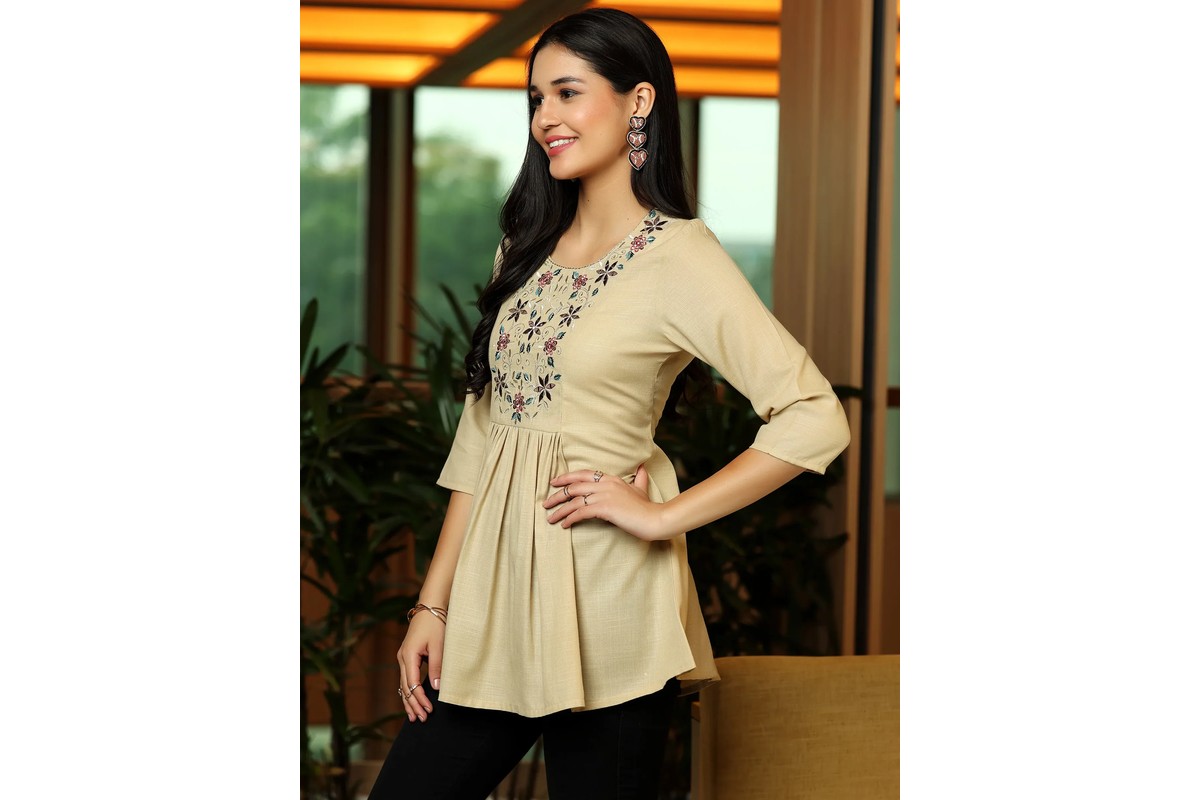
Side view of a beige tunic showing its gathered waist and flared hem

Measure a garment you already wear

This is more reliable than measuring your body, because it compares like with like. Take something you own that fits the way you want the new piece to fit. Lay it flat on a bed or a table, smooth out the creases, and do the buttons up if it has them.

Chest

Measure straight across from one underarm seam to the other, flat, without stretching. Double that number. That is the garment chest. A kurti that measures 19 inches flat is a 38 inch garment.

Shoulder

Measure from the point where one shoulder seam meets the sleeve, straight across the back, to the same point on the other side. Shoulder is the measurement that is hardest to alter later, so if a piece is right everywhere else and wrong here, it is the wrong piece.

Length

Measure from the highest point of the shoulder straight down to the hem. Length changes how a kurti reads more than almost anything else, and it is the easiest thing to have shortened by a tailor.

Sleeve

Measure from the shoulder seam to the sleeve hem. Worth noting if you prefer full sleeves to sit at the wrist rather than above it.

Write the four numbers in your phone. On their own they do not pick a size, because the letter on a garment you own says nothing about the same letter from another maker. They pick a size only when the seller gives garment measurements to compare them with. The pages checked for this guide give none, so email the shop with the product name and ask for the chest and length of the size you are considering. If you order without an answer, the letter is a guess. The numbers still earn their keep: lay the new piece over the old one the day it arrives, before you wear it and while the seven day return window is open.

When you are between two sizes

There is no rule that holds for every piece, and without the maker’s measurements nobody can tell you that an L here matches an L you own. Ask the shop for the measurements of both sizes first. If you cannot get them, these points are worth knowing.

  • A slightly loose garment can usually be taken in by a local tailor. A tight one can only be let out if there is spare cloth in the seams, and a photo cannot show you that.
  • Festive wear is worn for long days that involve sitting on the floor, eating and reaching up to hang things. A little room is comfort, not a mistake.
  • Some cloth can shrink in the first wash. The product pages do not say how much, so a piece that only just fits on day one is a risk.

None of this tells you which letter to pick. A piece described as oversized or relaxed already has room in it, and a shoulder that is too wide is as hard to fix as one that is too narrow. Only the seller’s measurements settle it.

What the photographs tell you about fit

Look at where the garment falls on the model rather than at the styling. Three things are worth checking.

  • Where the hem sits. Mid-thigh, knee, calf and ankle all read differently and the same labelled length will sit higher on a taller person.
  • Whether the waist is defined. A piece with a fitted waist has to hit you in the right place; a straight or A-line cut does not.
  • How much fabric is moving. A flared or gathered shape in motion is forgiving. A narrow, structured shape is not.

The Beige Cotton-Blend A-Line Kurti with Detailed Yoke at ₹99 is described as an A-line that flares gently from the waist. A flare gives room below the waist. It does nothing for a chest or shoulder that is too small. A two piece set behaves differently, because the trousers have their own fit. The Printed Kurta Set with Straight Pants at ₹99 is one Size choice covering the top and the pants. Its photos show more than one cut, and the page does not say how the waist fastens, so check both pieces against clothes you own as soon as the parcel arrives.

Dark floral kurta worn with coordinating printed trousers

Men’s sizing follows the same method

For shirts, measure a shirt you wear: flat chest doubled, shoulder seam to seam, sleeve from shoulder to cuff, and the length from the base of the collar to the hem. For trousers and jeans, measure a pair you own flat across the waistband and double it, then take the inseam from crotch seam to hem.

A set changes the decision. The Men’s Check Shirt and Denim Jeans Set at ₹149 has one Size dropdown covering both pieces, so you cannot pick a larger shirt and smaller jeans. If you wear different letters on top and bottom, decide which piece matters more to get right.

Buying for someone else

If you cannot measure, lean on shapes that forgive. A-line, flared, wrap and anything with a tie at the waist covers a wide range of bodies. Oversized shirts work on more people than fitted ones. Accessories sidestep the question completely.

Avoid guessing on anything fitted through the waist, and avoid buying two sizes with a plan to return one, because the return courier cost falls on you and eats the saving quickly.

If it still arrives wrong

You have seven days from delivery to return an unused item in its original packing, and the refund covers the product price. The published policy does not describe a size exchange, so ask the shop whether one is possible. If it is not, a size change means returning the first piece and placing a new order. Factor that round trip into when you order, not into whether you order.

If you want to see how this plays out across a full outfit, kurti and palazzo sets for Diwali week covers matching two pieces, and how a ready to wear saree works explains the one category where the sizing question changes shape entirely. The full Women’s Ethnic Wear range is the place to apply the measurements once you have them.

Black-and-white check shirt displayed over blue jeans

Frequently asked questions

How do I measure a kurti I already own?

Lay it flat, do up any buttons, and measure straight across from underarm seam to underarm seam. Double that figure for the garment chest. Then take the shoulder seam to seam, the length from shoulder to hem, and the sleeve.

Should I size up or down if I am between two sizes?

No rule fits every piece. Ask the shop for the garment measurements of both sizes and compare them with a garment you own. Without those, either choice is a guess. A loose piece can sometimes be taken in; a tight one often cannot be let out.

How much does cotton shrink after the first wash?

It depends on the cloth and how it was finished, and the product pages do not give a figure. Follow the care label on the garment when it arrives, and avoid a size that only just fits.

Does a size M mean the same thing on every listing?

No. Letter sizes are not standardised across Indian clothing, and the cut changes how a size feels. Use the seller’s measurements where you can get them, and the shape in the photographs as well as the letter.

Can I exchange for a different size?

The published return policy covers returns and refunds and does not describe a size exchange. Ask the shop whether one is possible. If not, return the item within seven days of delivery, unused and in its original packing, and place a fresh order for the size you want.

Posted on — Leave a comment

Will It Arrive Before Diwali 2026? How to Plan

Beige and dark blazer outfits displayed with trousers in a shop

If you are wondering whether there is still time to order before Diwali 2026, the answer depends on where the parcel is going and how much slack you leave, and the date to plan around is earlier than most people assume. Diwali falls on Sunday 8 November 2026, Dhanteras on Friday 6 November, and the clothes usually have to be in the cupboard a day before the occasion you bought them for. Work backwards from that using the shop’s delivery estimates and a sensible planning date lands in the last week of October for most of India.

This article shows how to work out that planning date from the shop’s own estimates, what the sum leaves out, and what to do if you are reading it late.

Diwali 2026 runs from 6 to 11 November

The festival is five days, and the day you dress up is not always the main one. Dhanteras is Friday 6 November. Chhoti Diwali comes next, and Lakshmi Puja, the main Diwali night, is Sunday 8 November. Govardhan Puja follows, and Bhai Dooj falls on Wednesday 11 November in India. Drikpanchang places it on the 11th because the Dwitiya tithi runs from 2:00 pm on 10 November to 3:53 pm on 11 November, and the tilak belongs to the day on which Dwitiya covers the afternoon.

Pick the earliest day you need the item. For most households that is Dhanteras, because the first guests and the first photographs happen then. If you are buying for Bhai Dooj only, you have five more days to play with.

Beige flared tunic with floral yoke detail and three-quarter sleeves

How the wait splits into two parts

The total time is dispatch plus delivery, and they behave differently.

Dispatch

Orders are packed in Hyderabad and handed to the courier within one working day of confirmation. Working days are Monday to Saturday, excluding public holidays, so an order placed on a Sunday goes out on Monday. This part is short and fairly predictable.

Delivery

After dispatch, the usual times are two to three days within Hyderabad and Telangana, three to four days to the other southern metros, five to seven days to cities and towns across the rest of India, and eight to twelve days to remote areas, hill stations, the North East, Jammu and Kashmir, Ladakh, the Andaman and Nicobar Islands and Lakshadweep.

Those are estimates built on how the couriers normally perform. They are not promises. Weather, strikes, regional holidays and festival volume all add days, and in the fortnight before Diwali every courier network in the country is carrying more than it was built for.

A planning example, counted back from Dhanteras

These dates count one working day for dispatch and the slowest end of each delivery estimate, aiming for Thursday 5 November, the day before Dhanteras. They also assume no public holiday falls in between, which this guide has not checked. Treat them as a worked example, not a promise from the shop or the courier:

  • Hyderabad and Telangana: plan on Saturday 31 October.
  • Bengaluru, Chennai, Kochi, Vijayawada, Visakhapatnam: plan on Friday 30 October.
  • Cities and towns across the rest of India: plan on Wednesday 28 October.
  • Remote areas, hill stations, the North East, Jammu and Kashmir, Ladakh and the islands: plan on Friday 23 October.

If the item only has to arrive before Lakshmi Puja on Sunday 8 November, the same sum gives later dates: Tuesday 3 November within Telangana, Monday 2 November for the southern metros, Friday 30 October for the rest of India, and Saturday 24 October for remote pincodes.

Order before Diwali 2026 with room to be wrong

Those dates assume the courier keeps to its usual times and the size fits. Build in a margin and you remove most of the risk.

The main thing that eats a schedule is a size that does not work. The published return policy covers returns and refunds and does not describe a size exchange, so ask the shop whether one is possible before you rely on it. Otherwise a size change means returning the item and placing a fresh order, and the return courier takes its own few days before the replacement even starts moving. If a wrong size would ruin the plan, order a clear week earlier than the dates above.

The second thing is the weekend. Sunday is not a working day, so an order placed late on Saturday or on Sunday may not leave until Monday. The Saturday dates above already allow for that, and ordering on the Friday instead buys you a day of slack.

Dark floral kurta worn with coordinating printed trousers

Ordering early also costs you less

Delivery is free once the subtotal reaches ₹299, and ₹39 below it. Ordering early in one go, rather than in three anxious instalments as the festival approaches, is usually what gets you over that line.

Two everyday pieces make the point. The Beige Cotton-Blend A-Line Kurti with Detailed Yoke is ₹99, and the Printed Kurta Set with Straight Pants is also ₹99. Ordered together that is ₹198, which still carries the ₹39 fee. Add a third ₹99 piece and the subtotal is ₹297, which is two rupees short. One more careful look at what you actually need for the week usually solves that, and it is far easier to do on 25 October than on 4 November.

At the other end, a single larger piece clears the line on its own. The Blazer Co-ord Set at ₹349 is past ₹299 by itself, so delivery on that order is free.

If you are already inside the window

Suppose it is the first week of November and you are in a town in the middle of the country. The five to seven day band says the parcel will probably miss Dhanteras. You still have choices.

  • Buy for the later days. Govardhan Puja and Bhai Dooj come after the main night, and an outfit that arrives on the 9th can still be worn for Bhai Dooj on the 11th.
  • Order the thing you will reuse, not the thing tied to one evening. A kurta set or a blazer carries into weddings and office parties through the winter.
  • Do not read an accepted pincode as proof of a delivery date. If you are unsure whether couriers reach your area in time, email the shop with the pincode before you order.
  • Make sure the phone number on the order is one that will be answered. The courier calls before delivery and tries up to three times; three missed attempts send the parcel back to Hyderabad, which is how a parcel that was running on time misses the festival entirely.

Browse the Women’s Ethnic Wear range if you want to see what a single order might hold, and read what to wear each day of Diwali 2026 to decide which days you are actually dressing for. If the house is the bigger job, the Diwali cleaning and preparation timeline sets out the same kind of countdown for everything that is not clothing.

Grey striped and burgundy blazer outfits displayed in a shop

Frequently asked questions

What day should I plan to order by for Diwali 2026?

The shop does not promise a last day, because delivery times are estimates. As a planning example using the slowest end of each estimate: Wednesday 28 October for cities and towns across most of India if you want it before Dhanteras on 6 November, or Friday 30 October for Lakshmi Puja on 8 November. Within Telangana the same sum gives 31 October and 3 November, and for remote pincodes 23 October. Earlier is safer.

How long does dispatch take?

The parcel is handed to the courier within one working day of order confirmation. Working days are Monday to Saturday, so a Sunday order is dispatched on Monday.

Does the delivery band start from the order day or the dispatch day?

From dispatch. The two to three, three to four, five to seven and eight to twelve day figures all count from the day the courier collects the parcel, so add the dispatch day on top.

What happens if the size is wrong and I need to reorder?

The published policy covers a return within seven days and a refund, and does not describe a size exchange, so ask the shop what it can offer. If the answer is a return and a new order, that round trip is why ordering a week before your calculated date is worth the trouble.

Is delivery faster if I pay more?

No. The shipping policy lists one delivery service and no paid faster option, and the times depend on your region, not on the order value. What the order value changes is the fee: free at ₹299 and above, ₹39 below it.